
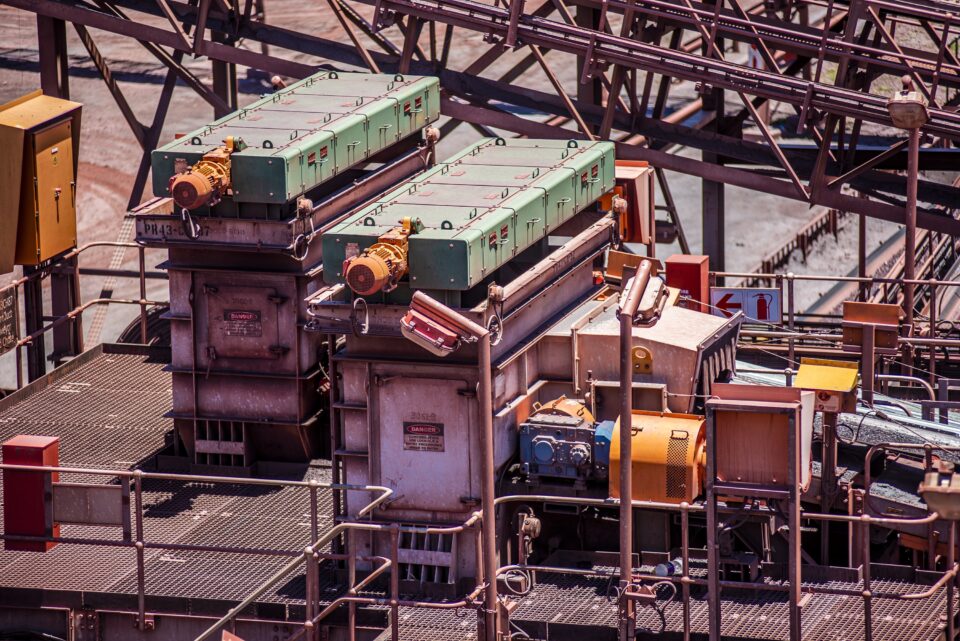
In bulk materials handling operations, conveyor belt misalignment remains one of the most persistent causes of unplanned downtime, excessive maintenance and premature equipment wear. According to Weba Chute Systems, correctly engineered chute systems are playing an increasingly important role in addressing this challenge at source.
Poor belt tracking is seldom only a conveyor issue. In many cases, the root cause lies upstream at the transfer point where inconsistent material flow, uneven loading and uncontrolled discharge place unnecessary stress on the belt system.
According to Dewald Tintinger, Technical Director at Weba Chute Systems, chute design has a direct impact on conveyor alignment and long-term plant performance.
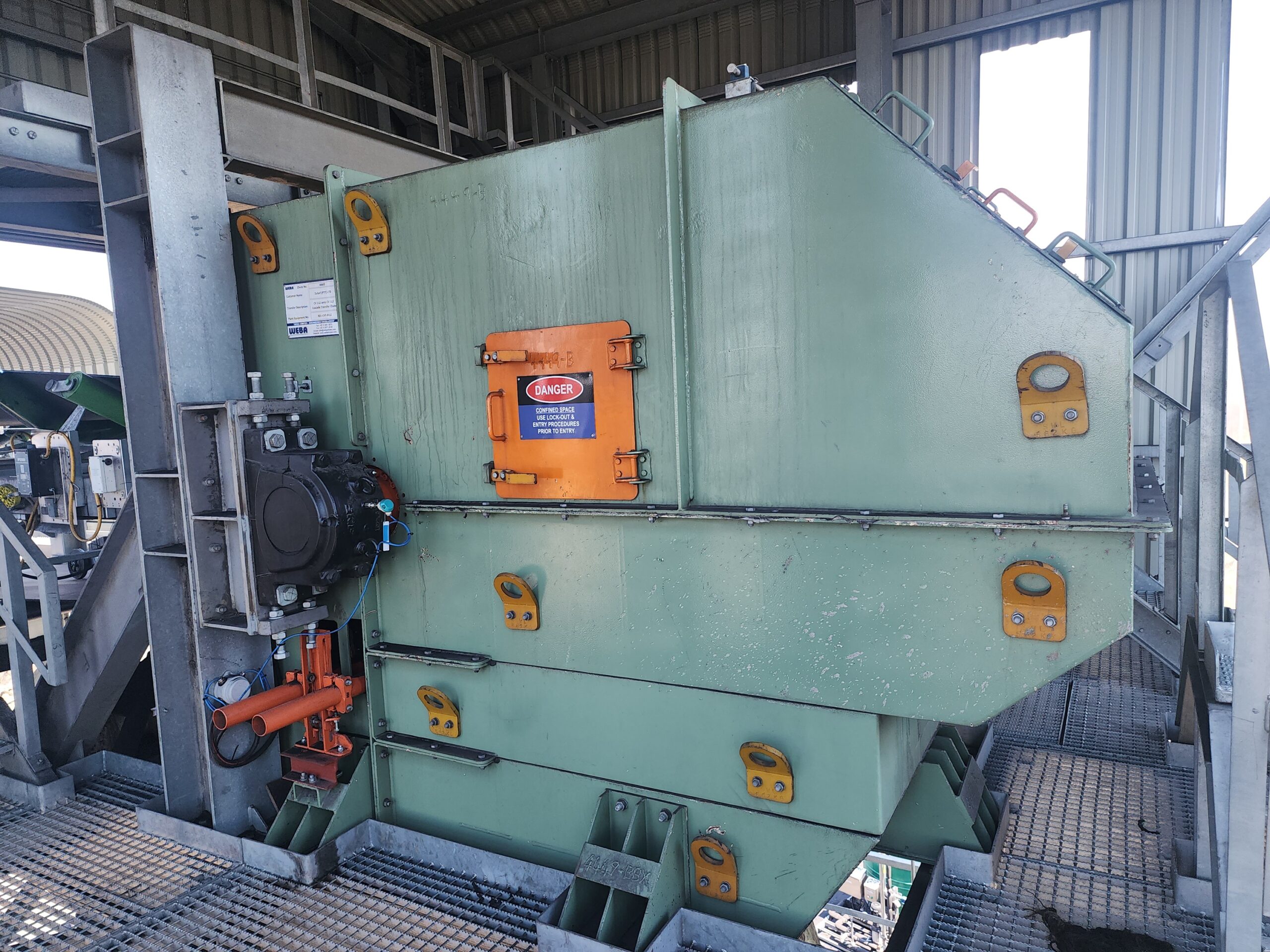
“Belt misalignment is often a symptom of poor material presentation onto the receiving conveyor,” Tintinger says. “If material is not loaded centrally at the correct speed and in a controlled flow pattern, the belt will naturally track off-centre, leading to spillage, edge damage and accelerated wear on idlers and pulleys.”
He explains that engineered chute systems are designed to ensure that material is discharged onto the belt in a predictable and balanced manner. This includes controlling the trajectory of the material stream, reducing turbulence within the chute and matching the material velocity as closely as possible to belt speed.
Where conventional chute designs may allow material to free-fall or strike the belt unevenly, engineered systems focus on guiding the material flow so that loading is centred and stabilised before it reaches the receiving conveyor.
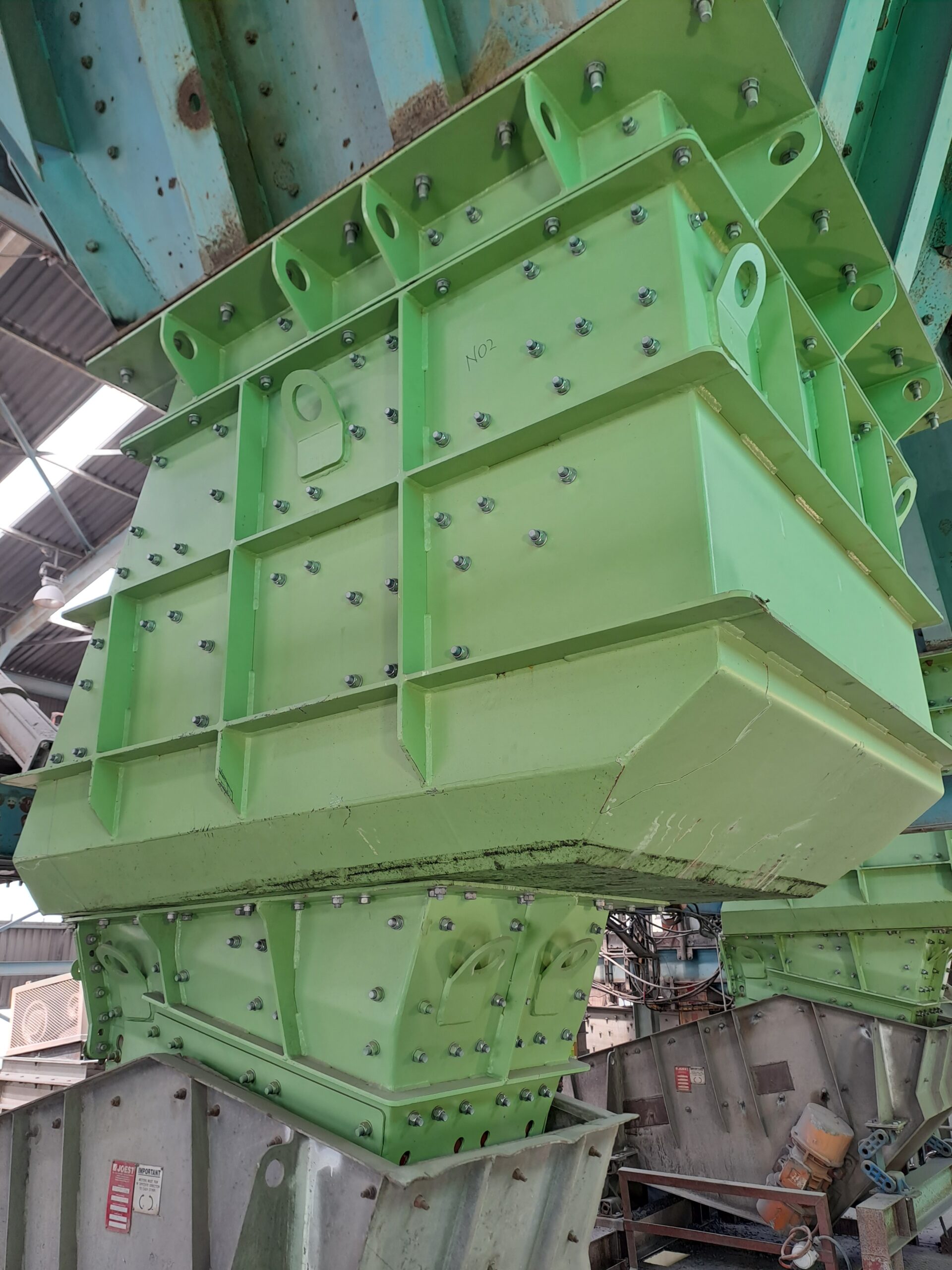
“This is where chute engineering becomes strategically important,” Tintinger says. “A well-designed chute system helps to maintain even belt loading across the full width of the conveyor which significantly reduces the risk of mistracking and the associated operational disruptions.”
Beyond alignment, improved loading conditions also contribute to lower dust generation and reduced spillage around transfer points – both key considerations in maintaining safe and efficient plant environments.
Tintinger notes that belt misalignment can have a cumulative impact on operations, affecting not only conveyor performance but also downstream process stability.
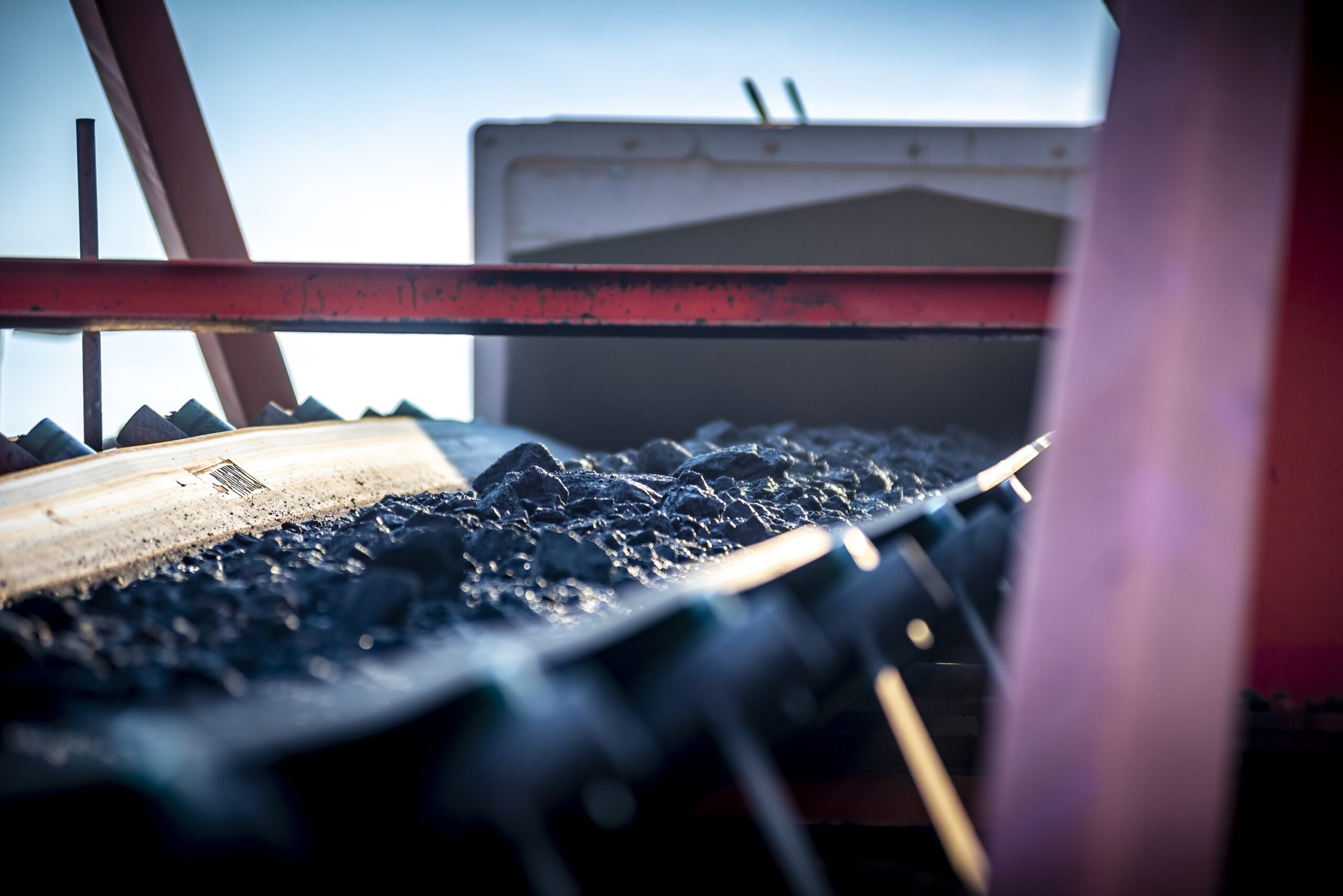
“When belts mistrack, the knock-on effect is often far greater than many operators anticipate,” he says. “You are looking at increased clean-up requirements, higher maintenance interventions, possible damage to structures and components and ultimately reduced plant availability.”
As mines and processing plants continue to focus on throughput optimisation and cost control, transfer point performance is receiving renewed attention.
“Transfer points should not be treated as static infrastructure,” Tintinger says. “They are engineered flow control systems that directly influence uptime, equipment life and overall process efficiency. Getting this right at design stage delivers measurable benefits across the plant.”
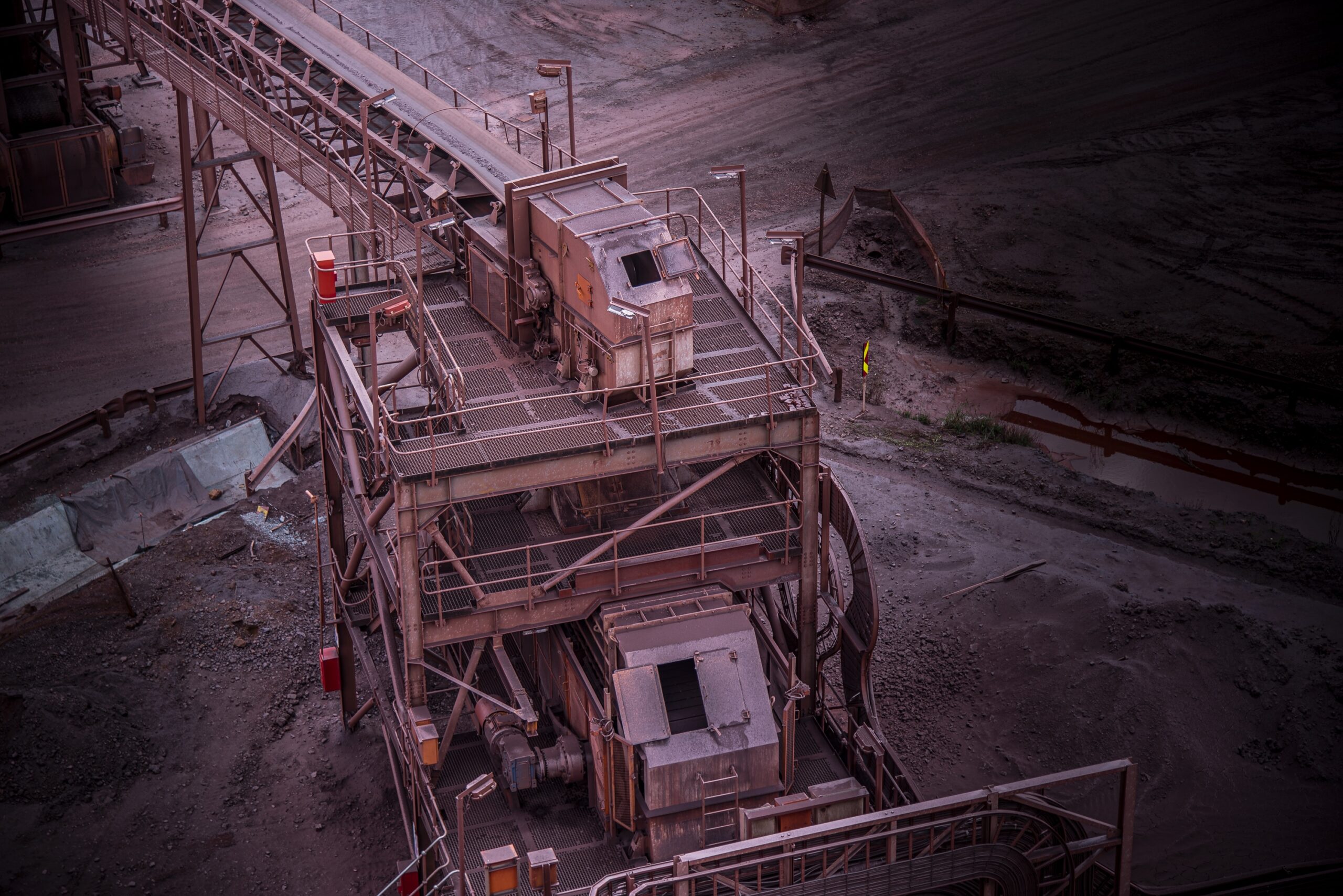
Weba Chute Systems continues to work closely with mining and industrial operations to optimise chute performance, particularly in high-tonnage and high-wear applications where conveyor reliability is critical to production targets.
