
The Canadian coal mining industry is facing increasing challenges. Tighter environmental regulations, rising operating costs, and declining coal grades are testing the resilience of producers from Alberta to British Columbia. At the same time, global buyers are demanding cleaner, higher-quality coal, while investors and regulators expect measurable progress on Environmental, Social and Governance (ESG) commitments.
To stay competitive in this demanding environment, coal miners must find ways to extract greater value from every tonne, while reducing their environmental footprint. Increasingly, this balance is being achieved through the use of advanced cyclone technology, an effective tool for cleaner, more efficient, and sustainable coal mining operations.

Efficiency that drives the bottom line
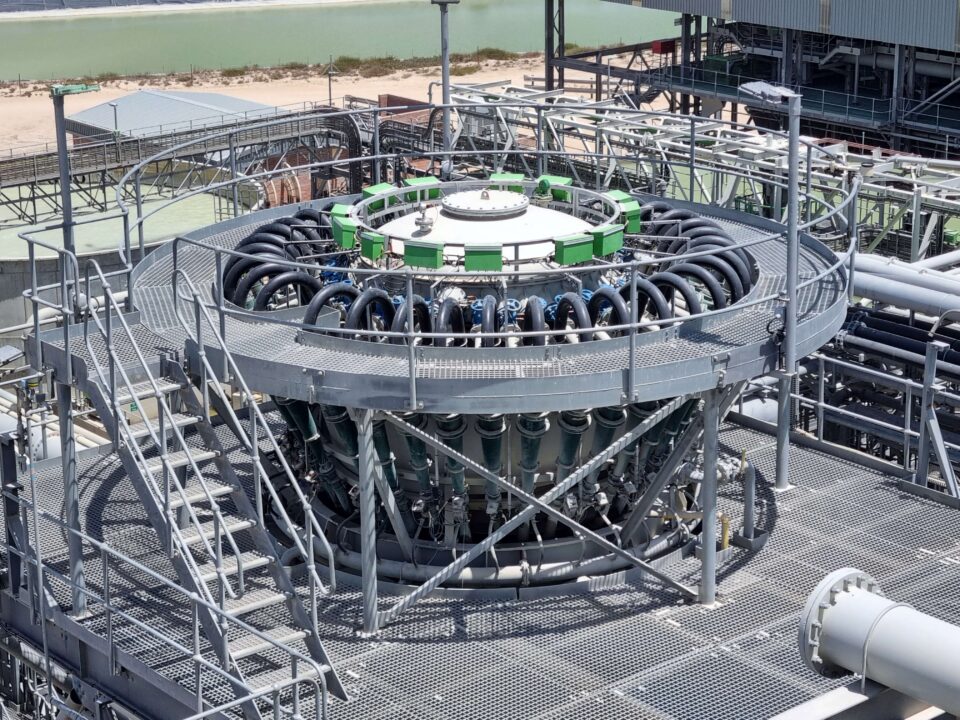
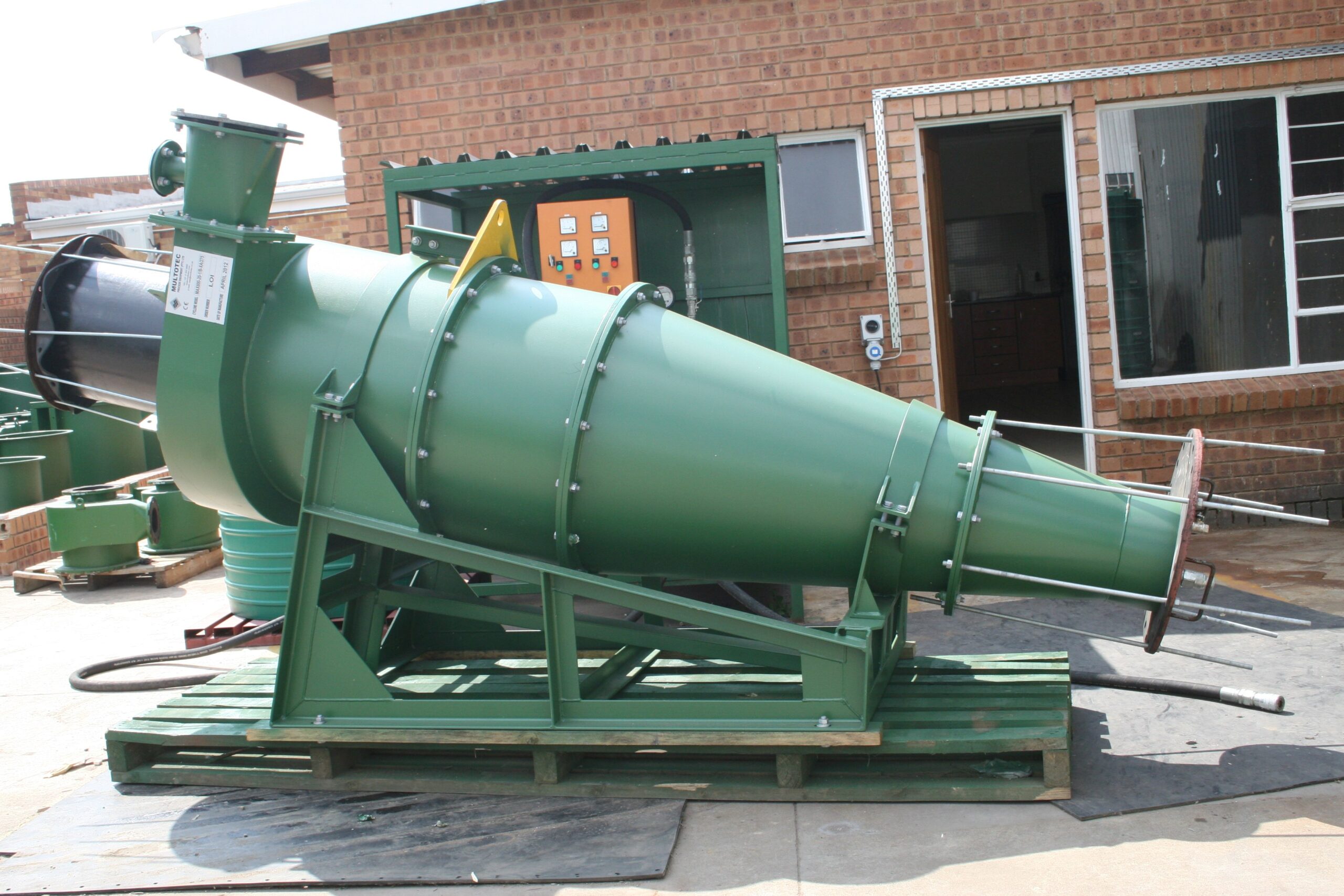
Today’s coal processing operations demands precision, specifically in regions where the quality of coal being mined is declining due to the depletion of high-grade resources. High-efficiency dense medium and classification cyclones are key to increasing coal recovery and reducing impurities by ensuring more efficient and sharper separation. This is critical for producing high-quality metallurgical coal, primarily used in steelmaking.
By improving the accuracy of separation, modern cyclones deliver a higher-quality, more consistent product that meets export market specifications. Cyclones are also used to effectively beneficiate coal fines, which would otherwise be lost to the waste streams. For coal miners, this means higher yields, reduced losses, and better returns from every tonne processed.
A focus on sustainability
With some of the world’s most stringent environmental policies and regulations, Canadian mines are under pressure to operate responsibly. Modern cyclone systems that benefit from improved design, materials of construction, and manufacturing methods are now capable of supporting these objectives directly.
- Less waste and tailings: Efficient separation reduces the volume of material reporting to tailings, reducing disposal costs and in turn mitigates environmental risks.
- Optimised water use: Using cyclones in the fines processing sections of a coal plant can improve downstream thickener performance by producing cleaner overflow. This not only reduces fine coal losses but also supports stricter ESG requirements for cleaner discharge water.
- Reduced energy consumption: More efficient classification lessens the energy demands of downstream processes, contributing to both cost savings and emissions reductions.
When product suppliers incorporate sustainability practices into mineral processing product designs, mines can leverage these innovations while advancing their own sustainability objectives.
Reliability that keeps operations moving
Cyclones offer a simple yet highly robust solution for modern coal and mineral processing plants. Their design contains no moving parts, making them easy to install, operate, and maintain. Despite their simplicity, properly operated cyclones can achieve high separation efficiency.
These design advantages translate into longer equipment life, fewer unplanned stoppages, and lower maintenance costs, keeping plants running optimally for longer.
This combination of durability and reliability directly supports profitability in an industry with tight margins due to weaker metallurgical coal prices amid ample supply and softening steel production.
Technology that meets tomorrow’s standards
As environmental regulations tighten, Canadian coal producers must stay ahead of evolving compliance requirements and market expectations. Selecting the right cyclone technology is central to achieving this, helping mines extract greater value from their resources while reducing waste and environmental impact.
Product suppliers with a high level of application knowledge and technical expertise can conduct plant and process audits to improve operation efficiency, size the correct equipment for the application, and recommend the process parameters for a client’s specific application.
Beyond improving recovery and separation efficiency with the right cyclones, miners are under pressure to improve coal quality, reduce impurities, and ensure consistency. Canada’s coal sector should consider the adoption of mineral processing samplers as a means to collect representative material samples for testing and quality control. This will allow miners to optimise their operational efficiency and to produce blended coal products with a consistent grade.
Local support, global knowledge
Product suppliers with local presence, combined with global expertise and footprints, can draw on their global experience in coal markets to better support clients and optimise their cyclone configurations, while also being able to respond quickly to on-the-ground operational challenges.
Canadian miners are increasingly exploring service arrangements that offer proactive equipment management and maintenance in remote or logistically challenging locations. In response to this, product suppliers that combine a global network of expertise with practical, on-the-ground product and process support are better positioned to help operations implement advanced solutions with confidence and continuity.
A smarter path forward
In a sector being reshaped by the dual imperatives of sustainability and profitability, the future of coal mining in Canada will be defined by those who can balance efficiency with responsibility.
High-efficiency cyclone systems offer miners a proven route to both more sustainable and more profitable coal production, even amid fluctuating global prices and rising operating costs.
