
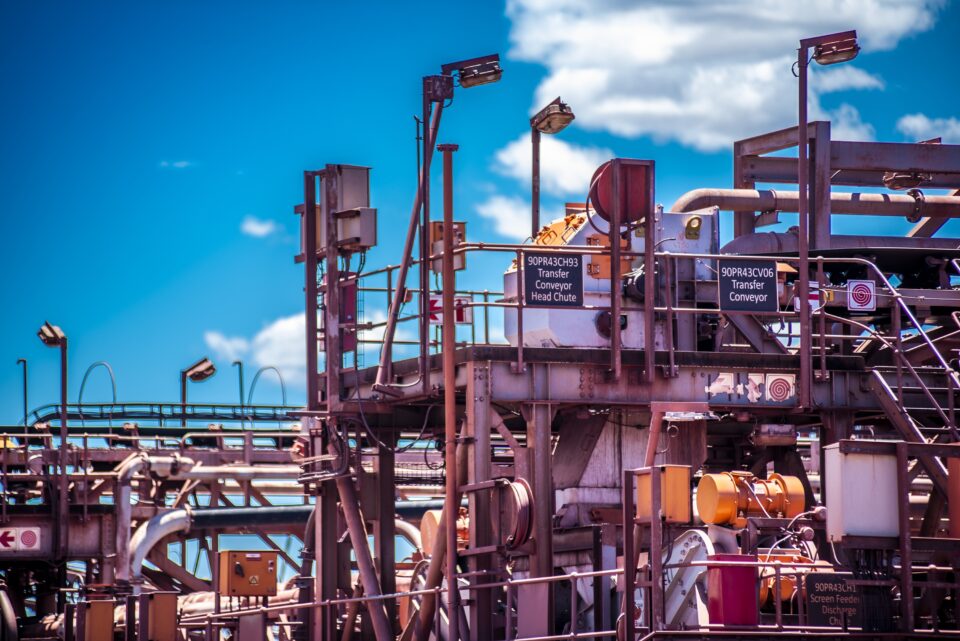
Material transfer points have quietly become strategic assets in mining, as higher throughputs, tougher ores and tighter ESG requirements reshape how bulk materials are moved. According to Mark Baller, Managing Director of Weba Chute Systems, the past decade has transformed expectations of chute performance – and the company has matched that shift with advanced engineering, digital tools and lifecycle support.
“Ten years ago, most conversations were about stopping blockages and limiting wear,” Baller says. “Today, mines want verifiable improvements in availability, energy use, dust emissions and safety – all while handling faster belts, larger ore volumes and more variable moisture content. Transfer points now sit at the centre of productivity and sustainability.”
Baller notes five notable trends that have reshaped the way mines approach transfer point design and performance.
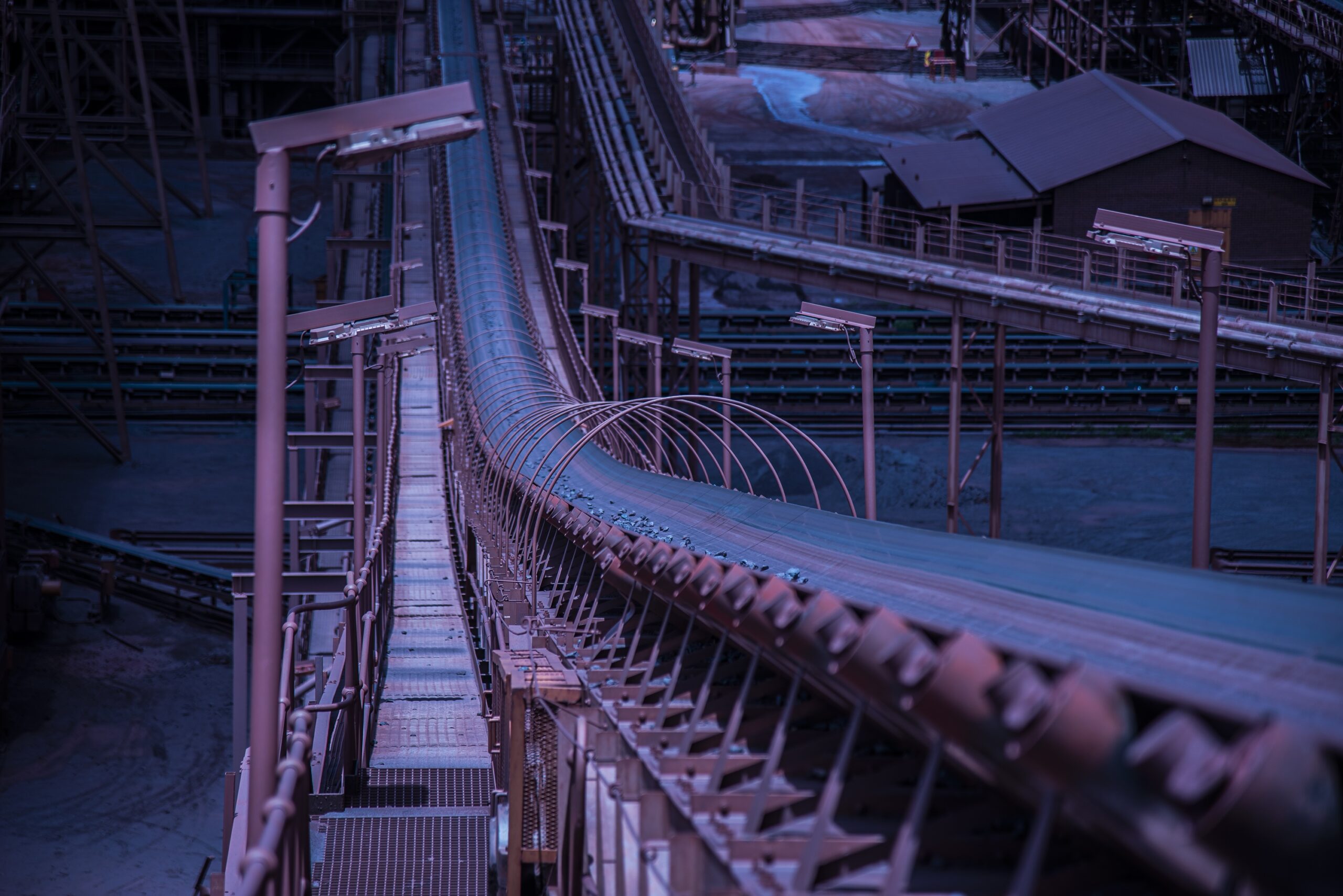
Firstly, conveyor systems today run at significantly higher belt speeds and wider widths than a decade ago, as operators chase throughput gains. “With increased tonnages and faster transfer rates, the forces exerted on chute liners and receiving belts are far greater,” he explains. “This makes controlled flow absolutely critical – if the material stream is not properly managed, you get surging, uneven loading and accelerated wear that can bring a plant to a standstill.”
Secondly, the variability of the ore itself has increased. Mines are working deeper and often dealing with harder more abrasive materials as well as frequent blend changes to maintain grade. “The days of designing a chute for a single consistent feed are gone,” says Baller. “We now design for variability – we use advanced modelling to simulate different particle sizes, moisture levels and flow behaviours to ensure the chute performs consistently across a wide range of conditions.”
Thirdly, the bar has been raised for safety and environmental compliance. Dust and noise emissions, once secondary considerations, are now closely monitored under tightening ESG frameworks. “Enclosed chute designs, improved liners and engineered flow control all contribute to significant reductions in airborne dust,” Baller notes. “This not only improves working conditions but helps clients meet strict environmental obligations.”
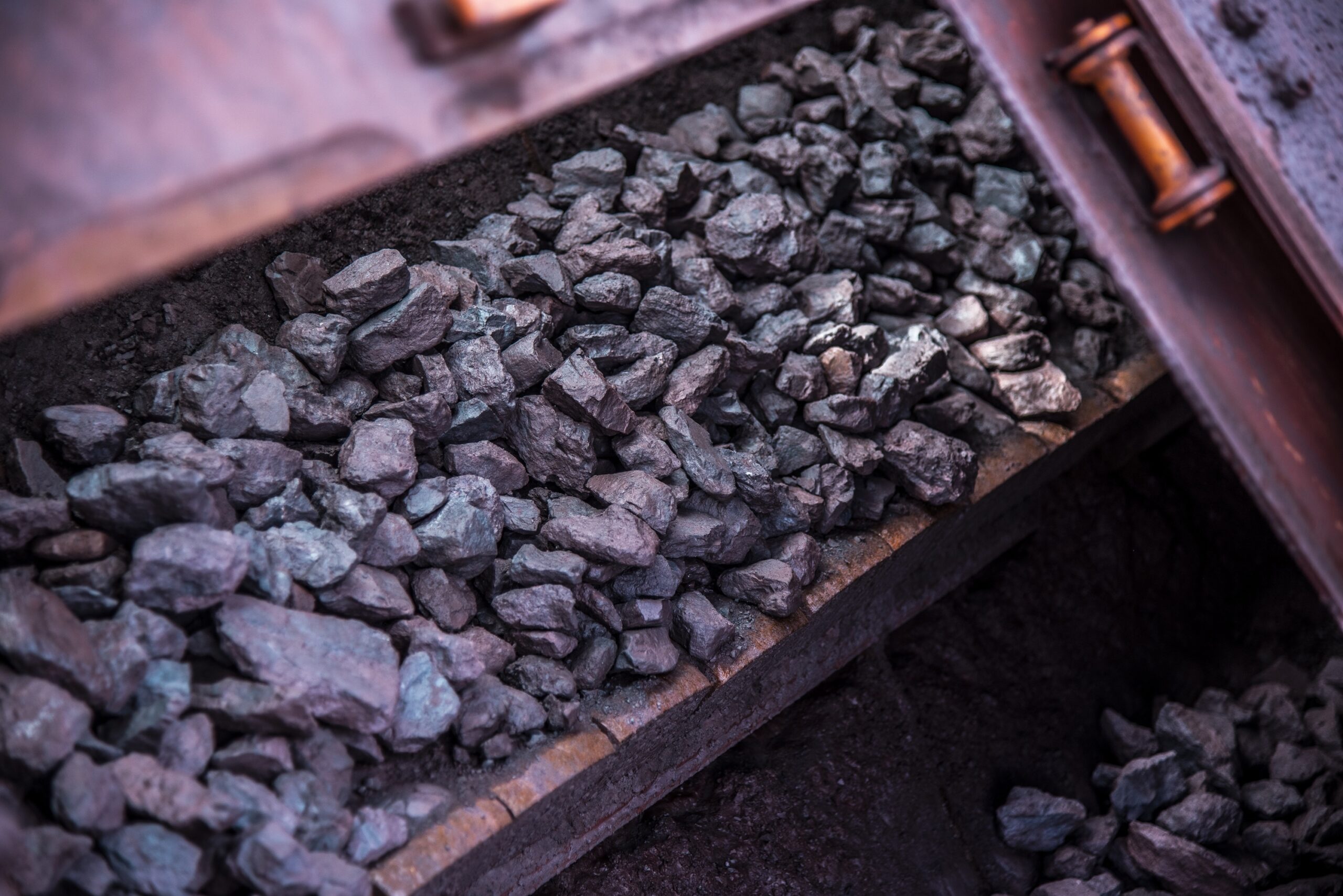
Fourthly, maintenance philosophies have evolved. “Mining operations are shifting from reactive to predictive and planned maintenance, enabled by sensors and digital data,” he continues. “We have aligned with that by designing chutes that allow easy inspection and modular liner replacement – and by incorporating smart monitoring that helps plan shutdowns before failures occur.”
Finally, Baller points out the growing emphasis on total cost of ownership (TCO). “Customers no longer judge a chute purely on its purchase price,” he says. “They look at how it impacts uptime, energy efficiency, wear life and maintenance intervals. Demonstrating quantifiable long term value has become a key differentiator – and that’s where Weba Chute Systems’ engineering and simulation-led design delivers measurable results.”
Retrofits continue to account for a significant portion of Weba Chute Systems’ work. “Many customers ask us to solve chronic spillage, excessive dust or belt damage on existing installations,” Baller adds. “Our approach is to audit the entire system – ore characteristics, belt dynamics, loading geometry and ventilation – and to engineer a custom chute that controls acceleration and impact, aligns the stream to belt speed and reduces turbulence. The result is less wear, lower dust, higher availability and a cleaner plant.”
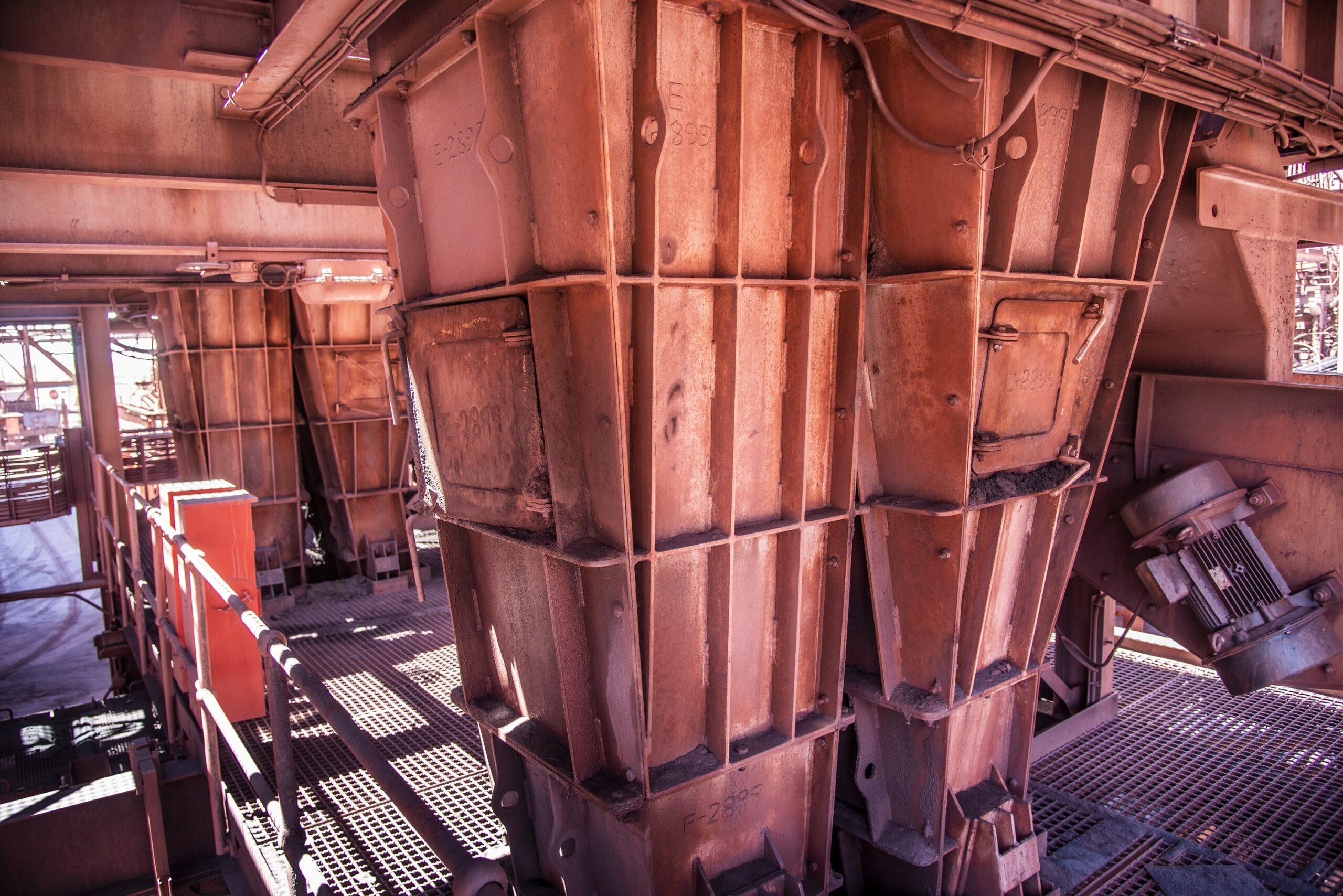
Baller is clear on the company’s differentiator. “There is no such thing as one-size-fits-all when it comes to transfer points and chute systems. Our strength lies in deep application knowledge, verified by simulation and proven in the field, backed by local manufacturing and lifecycle support. That is how we have stayed ahead – by engineering every transfer point to perform, sustainably.”
