
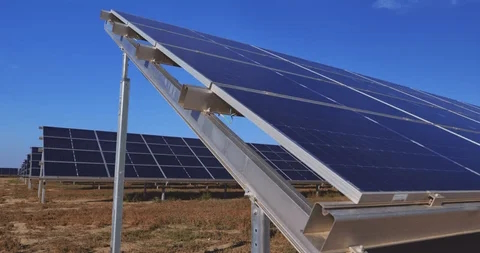
The changing economics of solar power generation is generating cost pressures within the photovoltaic (PV) sector and, while it began with robust specifications, these have been trimmed as competition has increased.
“Although the steelwork supporting solar panels comprises a relatively small fraction of the overall investment, it is the foundation for the success of solar plants – and the selection and quality of steel and corrosion control has not received sufficient attention,” warns Executive Director of the Hot Dip Galvanizers Association of Southern Africa (HDGASA) Robin Clarke.
Where sun meets steel
Having encountered multiple instances where a ‘cut and paste’ of the generic specifications (applied when the industry launched in South Africa some 10 years ago) does not apply to the environments in which some solar plants operate today, Clarke says that the HDGASA is working alongside various photovoltaic industry installers to improve quality standards through correct specification of support structure materials.
“Corrosion protection ensures that structures achieve service life expectations and meet baseline return-on-investment calculations. The steel structure should remain serviceable after 10 or 20 years to house the next electrical upgrades planned. It should outlive the electrical plant, so that upgrades can be done without disturbing what has already been mounted or planted. On this basis, hot dip galvanized technology is an excellent choice, since corrosion control in most environments can exceed 40 years.”
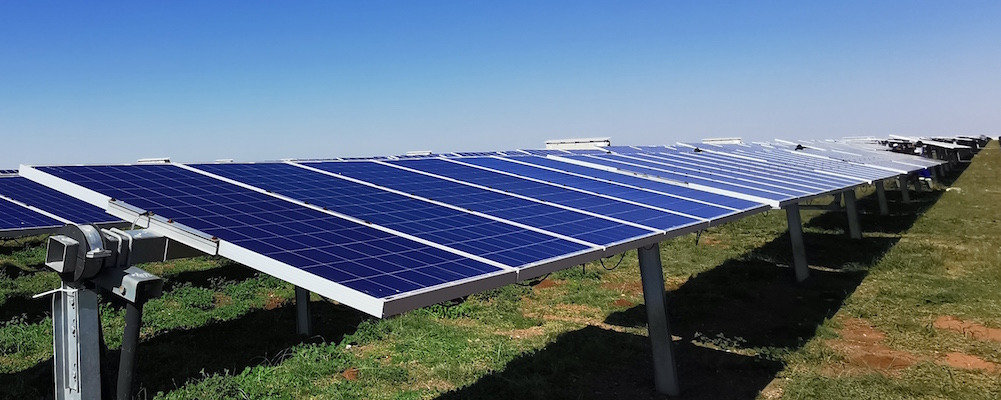
However, specifications must be carefully considered: “Mount systems for ground installation were originally thicker steel. However, once sectional thickness was trimmed down, hot dip galvanized coating pick-ups decreased. This sufficed when systems were installed in fairly benign soil and atmospheric conditions – but not in more hostile environments,” Clarke continues.
“The HDGASA has repeatedly appealed to project owners to perform baseline environmental and geological soil assessments, checking designs for appropriate material specifications. We engage with many suppliers, designers and engineers who recognise this – but pressure remains, driven by cost considerations – to select less-than-optimal materials,” he notes.
Another challenge has emerged with the growing popularity of rooftop solar systems amongst commercial and residential property owners. Initially, installations were done with seemingly scant consideration of the roof sheeting condition. Nowadays, roof sheet assessments ensure that installations are not fitted to roofs requiring extensive maintenance or replacement within the time-frame required for the solar plant to deliver return on investment.
Shining a light on localisation
Clarke says the HDGASA is disappointed that solar plant steelworks are still imported when capacity exists in South Africa: “We encountered one plant where material imported from Europe was at variance with the specification required for the installation, had suffered damage during storage and should not have been installed. However, the ability to hold a company accountable – which is 15 000km away – is absolutely zero. We had the same problem with components from the Far East, which were utilised in a coastal application.
In South Africa, we have capacity, quality and accountability on our doorstep. This would circumvent some of the problems we encounter in field.”
Clarke believes that many companies in the solar sector wish to operate sound, sustainable businesses and have benefitted from HDGASA training and advice – however face challenges from other solar operators which undercut on price, either to compromise on standards or through lack of knowledge of appropriate specifications.
Solar-powered solutions
“This is a growth curve. Companies competing solely on once-off capital investment numbers have little incentive to present robust specifications as an alternative. We are working with suppliers to ensure customers get real value for money,” Clarke explains, adding that there is a greater need for accountability along the entire steel supply chain as demand and volumes grow.
He cautions that in a diverse environment such as South Africa, one standard will never apply to all: “Design criteria must be specific to where a plant is built. There has been a lack of design understanding about regional requirements. We are encouraging project owners and designers to talk to corrosion control experts, who can provide accurate information about the corrosivity of the soil and the overall environment,” Clarke concludes.
(693 words)
Note to Editors:
The Hot Dip Galvanizers Association Southern Africa (HDGASA) is a not-for-profit trade association dedicated to serving the needs of the entire industry supply chain – from end-users, specifiers, architects and engineers to contractors, fabricators and hot dip galvanising shops across Southern Africa.
Founded in 1965, the Association’s primary objective is to develop and expand the market for hot dip galvanizing and duplex systems as a cost-effective corrosion control technologies. It is dedicated to both identifying and leveraging opportunities for the provision of services on behalf of its members.
Over the years, the HDGASA has evolved to the point where it plays multiple roles, acting not only as a voice and lobbyist for the industry but also as a hub of technical knowledge, advice and support.
It provides training and information to end users, engineers, consultants, contractors, end-users, specifiers, designers and architects by way of courses, presentations, technical research papers, plant tours and via advisory involvement at the design stage of projects. In addition, the HDGASA works closely with regulatory and standards authorities setting quality standards that impact on the corrosion control and associated industries
