


The emerging green hydrogen economy holds significant promise for the global energy transition. However, these developments present considerable challenges – particularly in managing systems complexity and integration risk across disciplines, geographies and regulatory regimes.
According to Stuart Heather-Clark, SLR Consulting’s Power Sector Lead for the Middle East and Africa, a large-scale green hydrogen development differs fundamentally from a standalone wind or solar project.
“A typical green ammonia export scheme, for instance, is a complex chain of interdependent infrastructure, with elements that can stretch across 300 to 500 kilometres,” he explains. “Each element carries its own technical, environmental and social risk profile which must be managed by specialists across multiple disciplines working in close collaboration.”

He notes that some proposed schemes involve renewable energy capacities at a scale not yet realised elsewhere in the world. Once projects move into the 5 to 7 GW range, they exceed the benchmark of most existing wind or solar installations.
“Scale alone multiplies risk,” he says, “as land take expands dramatically, transmission distances increase and cumulative impacts become more difficult to predict and manage.”
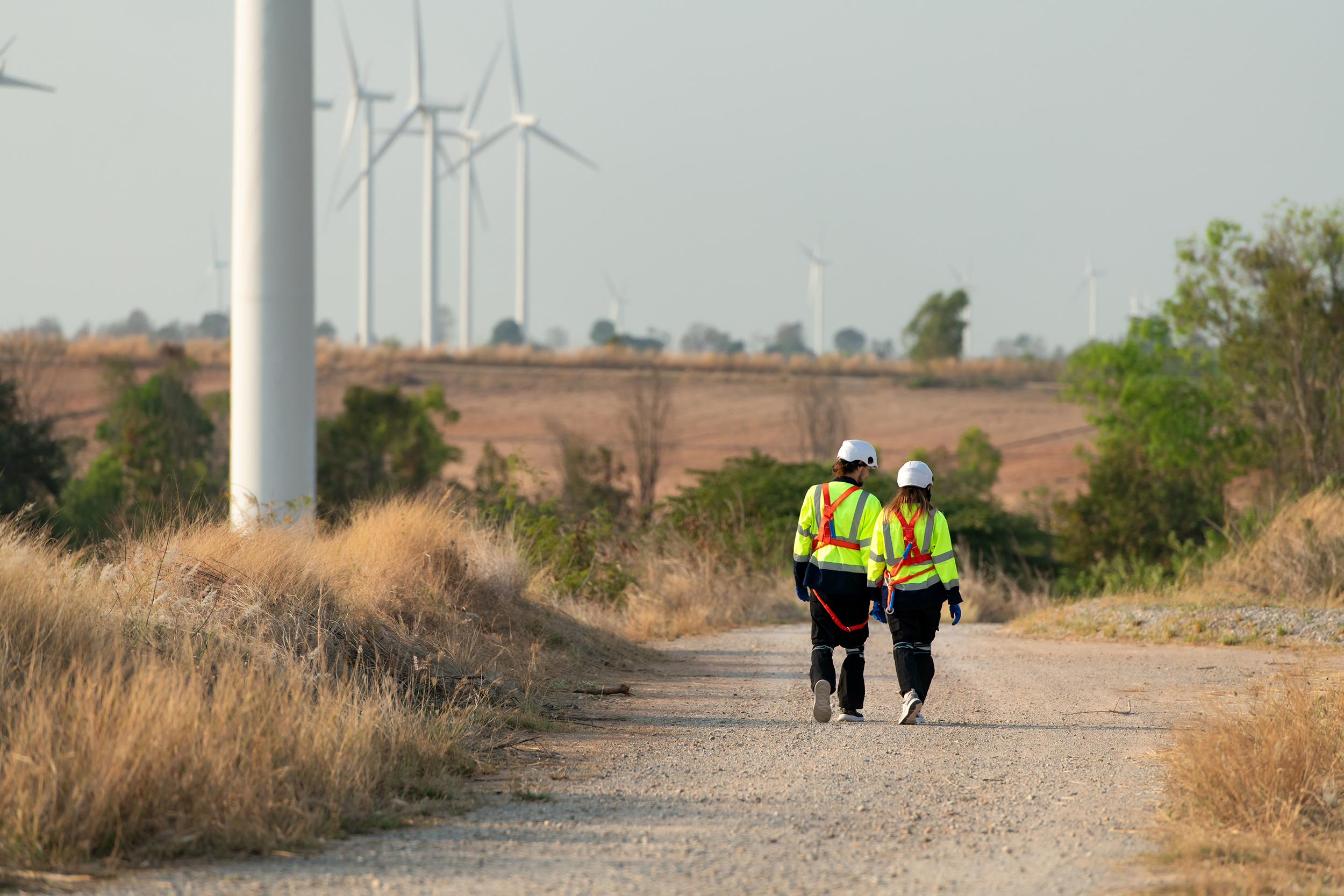
The integration challenge begins at the engineering level. Wind farm designers, transmission line engineers, electrolyser specialists and ammonia process engineers must align their respective approaches. In addition, port designers, marine engineers and desalination experts introduce further technical assumptions and constraints.
“Environmental consultants cannot operate independently of these engineering teams,” he emphasises. “Infrastructure footprints may be determined by engineering logic – such as proximity to substations or optimal wind regimes – but without early interrogation, those decisions can inadvertently embed environmental and social risk.”
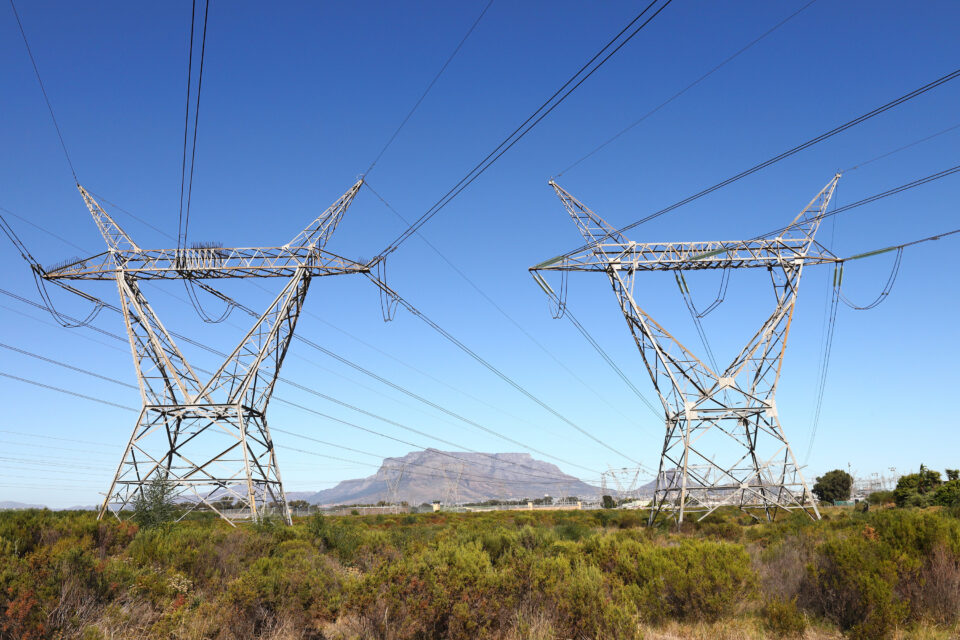
A technically ideal flat site near a grid connection for a solar installation may support subsistence farming, contain cultural heritage resources, wetlands or key biodiversity features. Transmission corridors may intersect bird migration routes while coastal intake structures can affect sensitive marine ecosystems.
“Green hydrogen projects operate simultaneously across multiple ecological domains,” he notes. “A single development can involve terrestrial biodiversity – birds, bats and vegetation – alongside freshwater systems and marine ecology while also introducing air emissions, noise impacts and industrial safety risks.”
Heather-Clark describes this convergence as a “perfect storm” for environmental practitioners. Baseline studies for wind components may require one to two years of bird and bat monitoring before layouts are finalised. Marine assessments demand specialist surveys, while industrial hydrogen and ammonia plants introduce hazardous materials whose risk must be assessed alongside ecological considerations. The geographical dispersion of assets further compounds coordination risk.
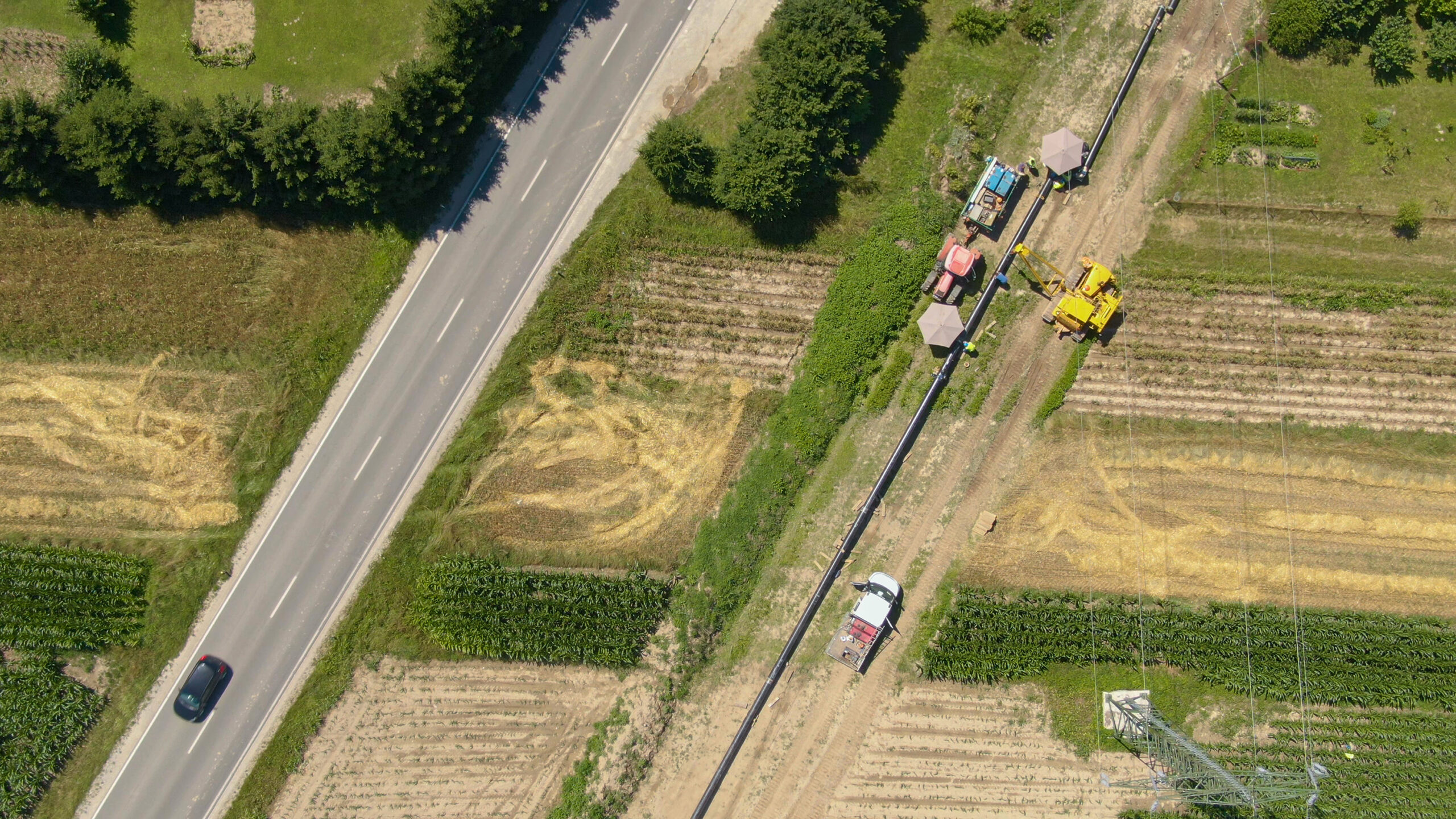
“Renewable generation may be located inland, desalination on the coast and export facilities at a port,” he explains. “Infrastructure corridors connect them, so impacts are not confined to a single footprint. They can accumulate across regions and even across jurisdictions.”
In cross-border contexts, developers must navigate and apply different regulatory frameworks while aligning local environmental legislation with international lender standards.
“The consequence is that green hydrogen developments cannot be managed as linear projects,” he says. “They are systems projects where decisions in one subsystem ripple through others.”
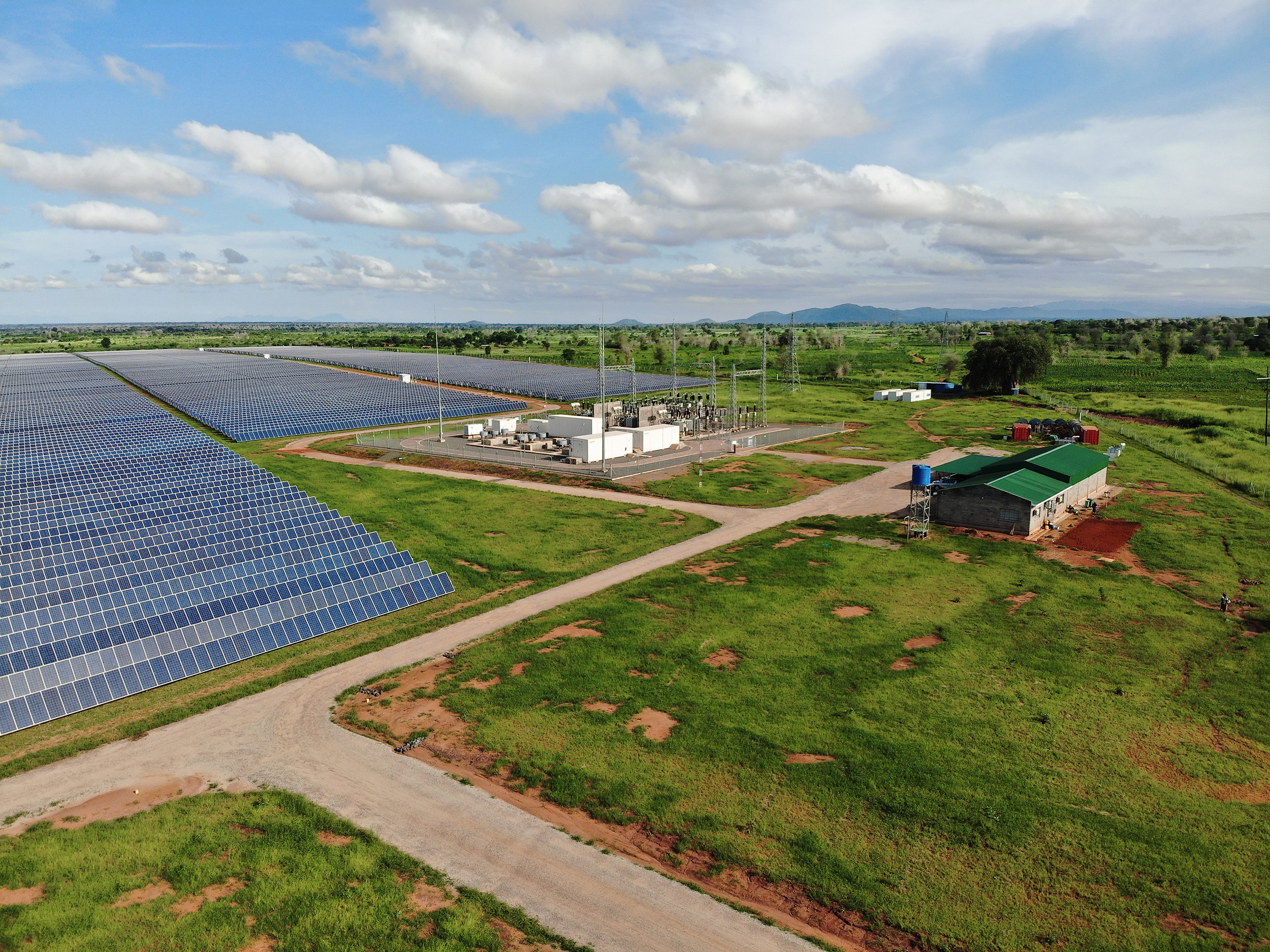
For example, a change in the layout of a renewable power installation can alter transmission routing which may affect biodiversity impacts. This could necessitate additional mitigation at higher capital expenditure, influencing the project’s financial model. If financial constraints arise, design optimisation may be triggered – restarting the cycle.
Heather-Clark stresses that the solution lies in early, integrated engagement. Engineers, environmental specialists and financiers must align during the concept and pre-feasibility stages. By thoroughly interrogating infrastructure footprints before designs are finalised, teams can apply the mitigation hierarchy – avoid, minimise, restore and offset – more effectively.
“This proactive approach enables greater front-end loading,” he concludes, “reducing the risk of appeals, redesigns and lender non-compliance later in the project lifecycle.”
