
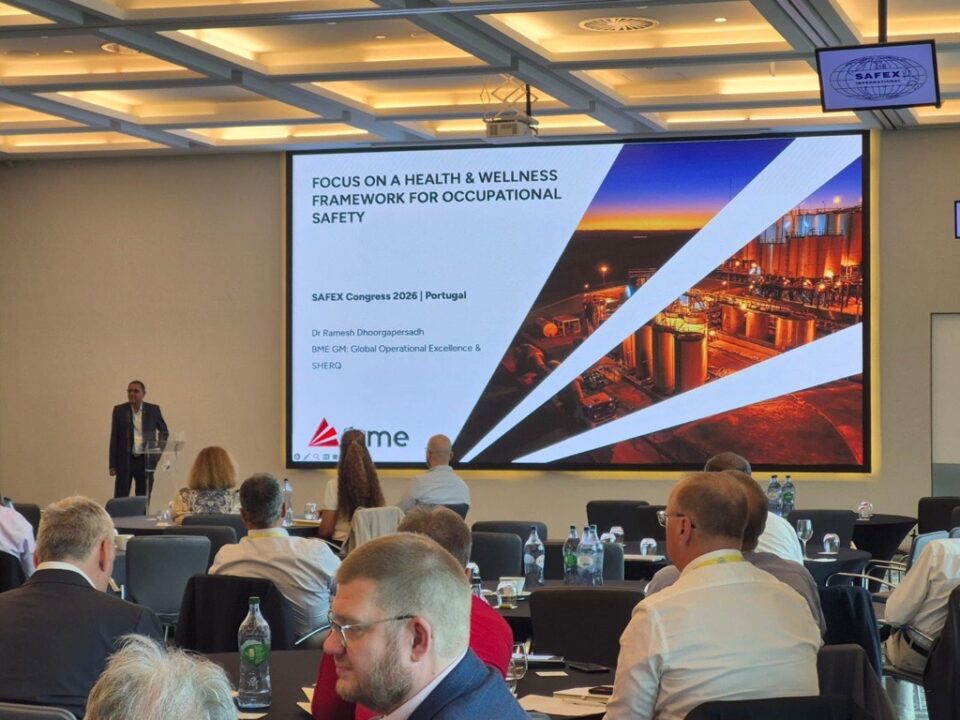
There is growing recognition that sustainable safety performance requires a deeper, more integrated understanding of the human factors that influence risk, Dr Ramesh Dhoorgapersadh, General Manager: Operational Excellence & SHERQ at BME, told delegates at the SAFEX International Congress XXI in Portugal last month.
“My research highlights the need for a critical evolution in safety thinking: from reactive incident response to preventative, systems-based risk management that places human health at its core,” he said, presenting under the theme Focus on Health and Wellness within the Occupational Safety Framework of a Global Mining Company based in South Africa.
He noted the need for significant advancement in safety methodology, including the expansion of preconditions for unsafe acts to incorporate health and wellness factors. “This development signals an evolution of the Human Factors Analysis and Classification System (HFACS) into a more comprehensive tool for understanding, predicting, and preventing workplace incidents in high-risk mining environments,” he said.
Beyond unsafe acts
Dhoorgapersadh said that mining incident investigations have historically focused primarily on unsafe acts and hazardous conditions as the main causes of accidents.
“While this emphasis remains important, it overlooks a critical dimension: the health and well-being of employees,” he said. “Increasingly, research recognises that physical and psychological wellness can significantly influence behaviour and decision making and therefore play a role in the occurrence of unsafe acts.” Conditions such as chronic illnesses, stress, and fatigue have the potential to diminish concentration and physical performance, leading to an elevated risk of accidents.
He explained that this omission not only weakens the effectiveness of safety management but also introduces avoidable financial, operational, legal, and reputational risks for mines.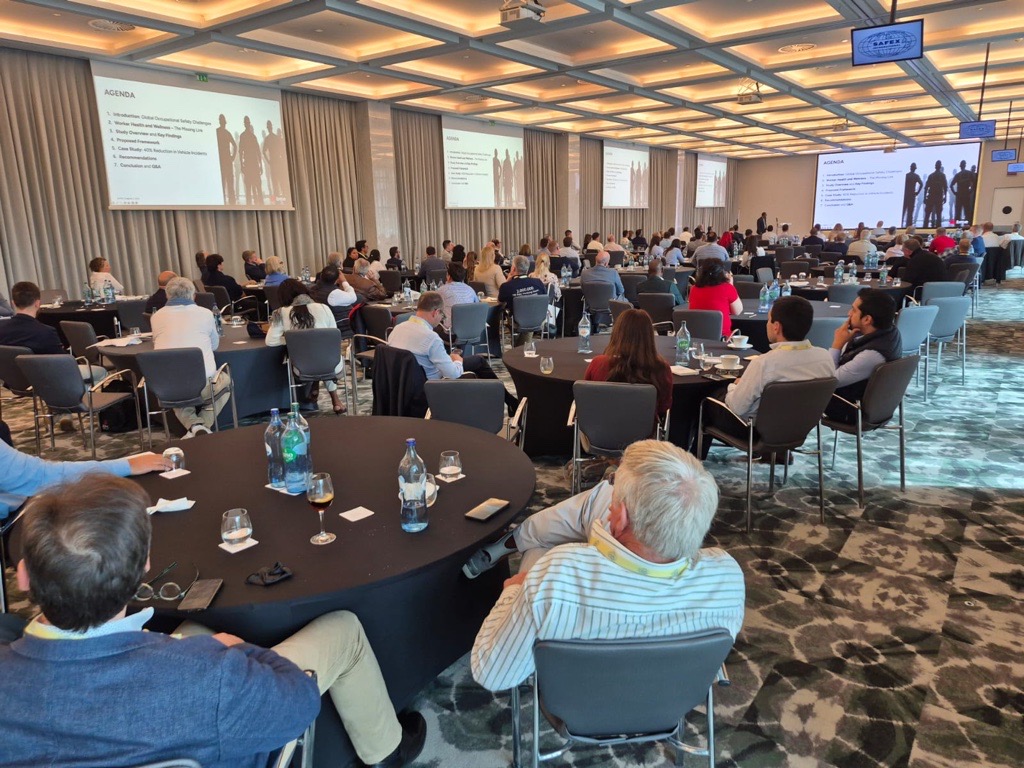
Well-being and productivity intrinsically linked
Dhoorgapersadh explained that a people-focused incident investigation method prioritised employee health and wellness, establishing the intrinsic link between well-being and productivity levels.
“My research demonstrates the need to proactively address health risks, rigorously control fatigue, and analyse the broader costs of occupational incidents to foster a safer and more productive work environment,” he said.
This methodology also advocates for a deeper understanding of the costs associated with occupational incidents, which are prevalent at this company’s mining operations. These include motor vehicle accidents, slips, trips and falls, as well as machinery-related incidents. “This urges a shift from a purely financial assessment to a more holistic one encompassing employee well-being and social development impacts,” he noted.
Early risk detection and tempering
Dhoorgapersadh said that a thorough incident investigation methodology that encapsulates health and wellness will detect and temper risks before they culminate in workplace incidents.
“Key elements of this integrated approach include fitness-for-duty assessments, health-informed job design and training, the use of medical surveillance data, wellness programmes, and ongoing monitoring of health outcomes,” he said.
Managing workplace fatigue through regular breaks, wellness initiatives, and targeted training is also essential. In addition, proactive health risk identification tools provide a strategic way to anticipate and mitigate emerging risks before they escalate.
“Equally important is the need to document both the direct and indirect costs of occupational incidents,” he said. “This enables organisations to fully understand their financial impact and supports the development of more effective, informed safety strategies.”
Effective incident cost monitoring
Dhoorgapersadh noted that the mining industry is especially vulnerable to occupational incidents, which significantly affect business performance. “Direct costs include medical treatment and investigation expenses, while indirect costs extend to lost productivity, reputational damage, and higher insurance premiums,” he said.
He explained that by developing job specifications that account for physical wellness, mining companies can more effectively reduce occupational incidents and their associated financial burden. “It is important to measure the impact of health on productivity, consistently track medical surveillance data, implement fatigue management practices, invest in proactive health risk identification tools, and closely monitor both direct and indirect incident costs,” he said.
By prioritising employee health and wellness, mines can create a safer work environment, improve productivity, and strengthen their financial performance. “This holistic approach aligns economic objectives with the creation of workplaces that are both safe and supportive for employees,” he concluded.
