
Combining its expertise as a shaft sinking and underground mining contracting contractor with its engineering capabilities and resources, Cementation Africa underpins the pace and safety of its projects with cost effective fleet management.
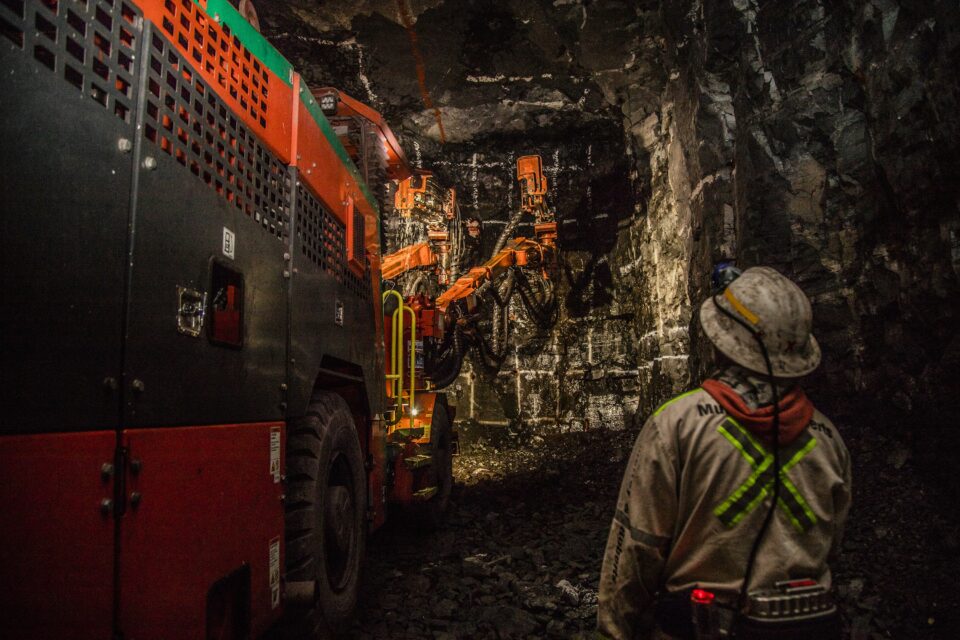
According to Arthur Adams, Manager Engineering at Cementation Africa, the company’s strategic fleet allows it to respond rapidly to specific project needs – while maintaining a high level of control over safety and performance standards.
“The balance between owning this strategic fleet and operating client-owned machinery gives us flexibility without the financial burden of depreciation of an underutilised equipment base,” Adams says.
The strategic fleet comprises a set of key assets that support infrastructure and shaft access work including winders and flameproof equipment for specialised applications such as box-cut development in coal mining.
“This disciplined approach directly supports our goal of achieving the best total cost of ownership for the fleet,” he says. “Intermediate and major rebuilds are timed strategically to maximise uptime while controlling long-term capital and operating costs.”
He highlights that the company uses its historical data and established formulas for its manning levels and maintenance cycles – fleet practices that contribute to productivity while controlling costs.
Significantly, Cementation Africa operates its own well-equipped engineering services and rebuild facilities, where refurbishment of both its own and clients’ machines is done to OEM specifications. This facility near Carletonville in Gauteng is also where the company’s world class Cementation Africa Training Academy is situated.
Cementation Africa’s approach is project-specific and collaborative, according to New Business Director, Graham Chamberlain, so the operating model does not rely on maintaining a centrally owned contract fleet.
“For each contract, we assess the mining method, production requirements and site conditions before selecting the most suitable equipment in conjunction with the client,” Chamberlain says. “In some cases, we purchase the equipment on behalf of the client, while in others the client procures this directly and we operate the equipment on their behalf.”
Ultimately, he explains, the equipment vests with the client since they fund its acquisition, but the Cementation Africa team’s input ensures that the machinery is optimally matched to the job at hand.
“There is usually a waiting period for new equipment so we build this into our project planning,” he says. “When clients do not have early access to equipment, we use ‘bridging’ equipment which are typically used items – and can often negotiate with OEMs for the timeous supply of equipment.”
