


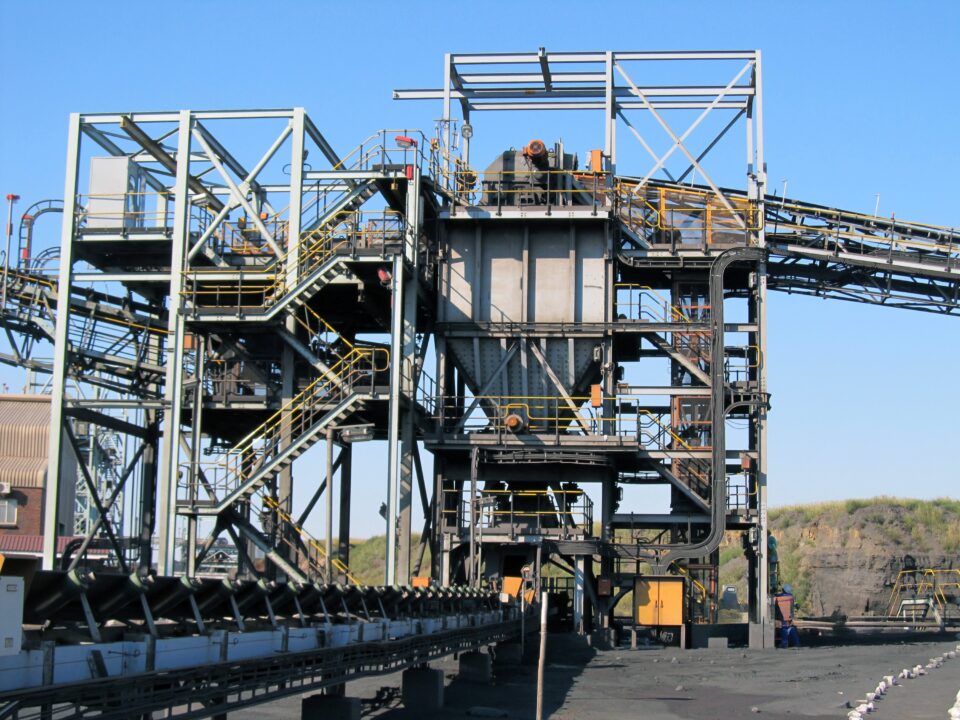
In the world of materials handling, transfer chute design is often underestimated – sometimes with costly consequences. While it may seem like a simple task, it is in fact one of the most complex aspects of materials handling design, as some of the world’s largest equipment suppliers have discovered to their detriment.
Mark Baller, Managing Director of Weba Chute Systems, says the company’s more than four decades of experience have highlighted a consistent misunderstanding across the mining sector – that anyone can build a chute. “Over the years, we have seen a number of big-name global players try to enter the market, only to withdraw when they realised that chute design is not a bolt-on activity. It demands highly specialised expertise,” he says.
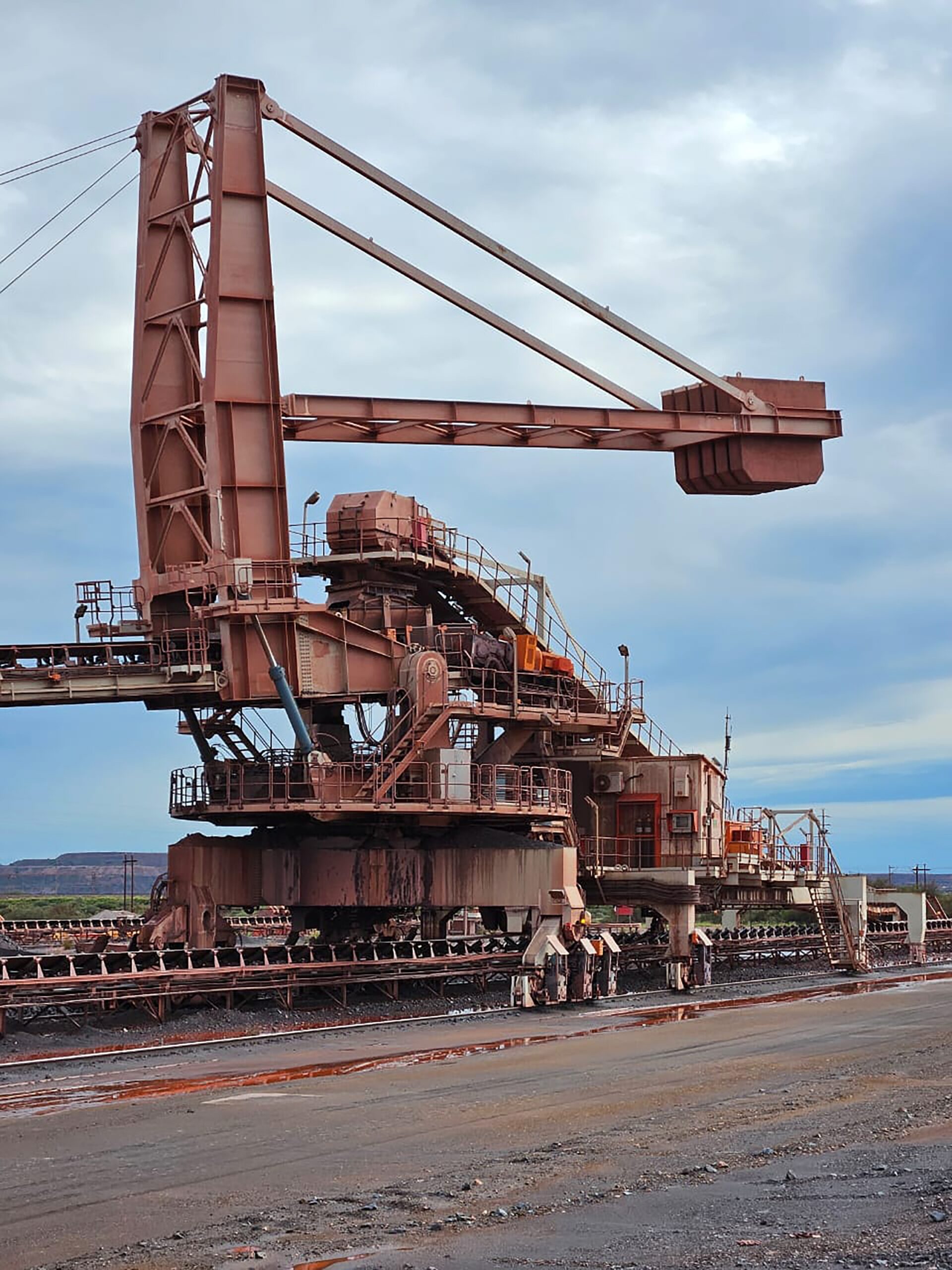
The problem, says Baller, is the widespread perception that chutes are little more than simple platework structures. This belief has led many companies to assume that designing and manufacturing transfer chutes is a relatively low-risk and low-skill endeavour – when the reality is the opposite.
“Each transfer point must be custom engineered to suit the application, considering factors like particle size, density, velocity and trajectory. A standardised or off-the-shelf approach simply doesn’t work,” he explains.
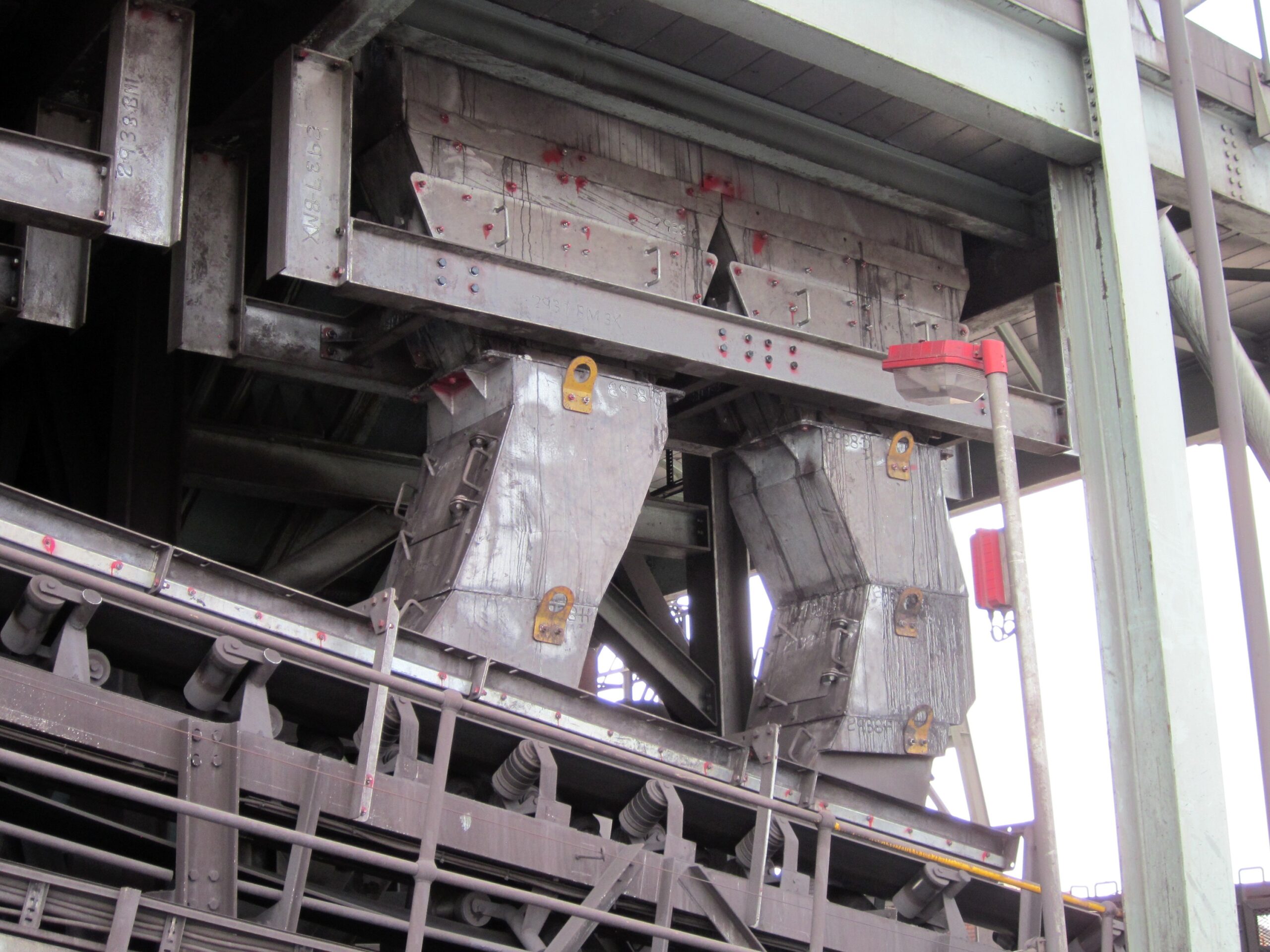
Weba Chute Systems has spent decades building a deep understanding of material flow and applying that knowledge to bespoke chute design. “We don’t just design chutes to move material. Our solutions are engineered to control the flow which protects downstream equipment, reduces dust and spillage and, importantly, improves overall plant performance,” explains Baller.
A well-designed and engineered chute can significantly enhance the performance and lifespan of costly equipment like conveyor belts. Poorly designed chutes, on the other hand, can result in excessive wear, environmental hazards, unplanned downtime and in severe cases, bring entire operations to a standstill.
To ensure each chute is fully optimised, Weba Chute Systems uses advanced simulation tools such as discrete element modelling (DEM), which allows engineers to model the behaviour of individual particles and understand how they interact with the chute structure. “This technology gives us insight into particle flow dynamics and allows us to precisely control flow direction and velocity,” says Baller. “We can engineer solutions that deliver real measurable improvements in safety, productivity and operating cost.”
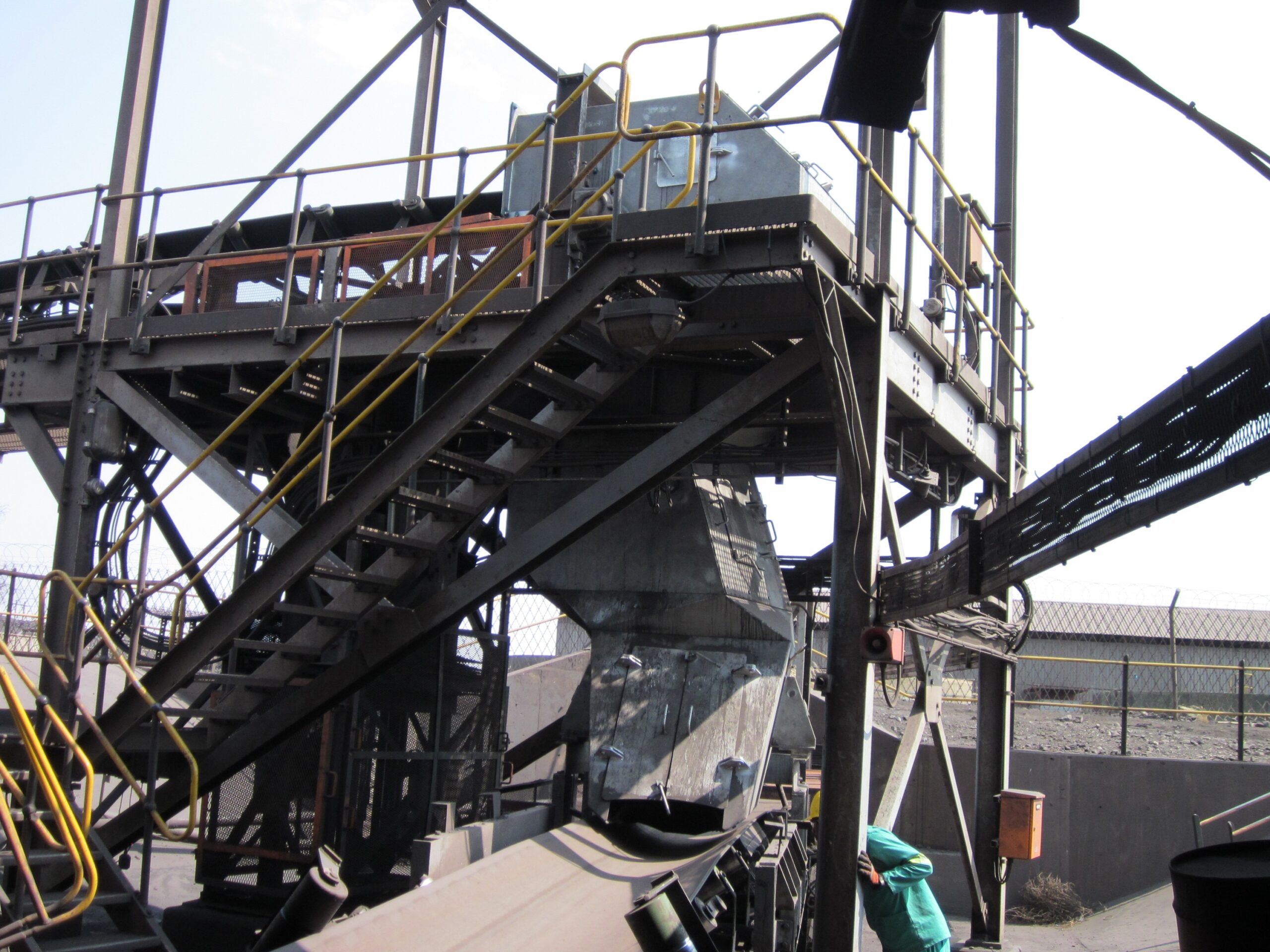
He points out that with almost 5,000 chutes installed globally, the company’s solutions have been proven in the field across a range of demanding applications, environments and commodities. “Our designs are backed by hard-won experience and continuous innovation. This is not something you can replicate overnight by simply buying design software or completing a short training course.”
While Baller welcomes healthy competition in the industry, he cautions that entering the chute market without deep technical knowledge and a long term commitment can lead to poor outcomes for both the supplier and the customer. “When chutes underperform or fail, the impact on mining operations can be significant. It makes far more sense for mines to partner with experienced specialist providers who understand the nuances of material flow.”
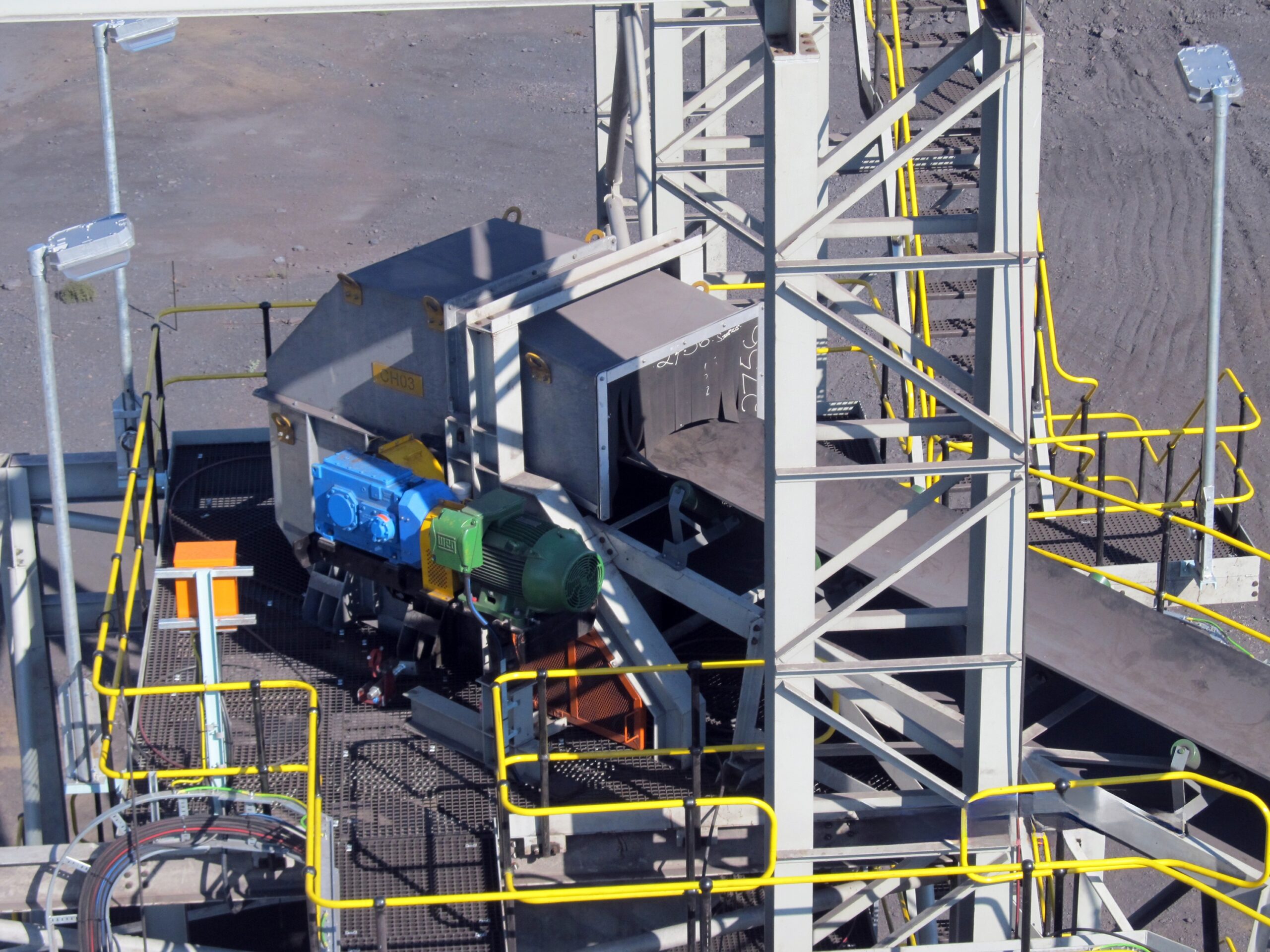
He concludes by reiterating the critical role that chutes play in plant performance. “Despite being a relatively small capital item, a chute’s failure can halt production entirely. That is why our approach is rooted in delivering engineered quality and reliability – because when it comes to chute design, getting it wrong is simply not an option.”
