
Conveyor belt misalignment and roller slippage remain among the most persistent and costly problems in mining and bulk materials handling operations. While these issues are often treated as unavoidable, the real costs can be significant – from lost tonnes and spillage clean-up to premature belt replacement and emergency downtime. Leader in conveyor belt solutions, Tru-Trac continues to focus on helping mines and other operations address these hidden costs directly.
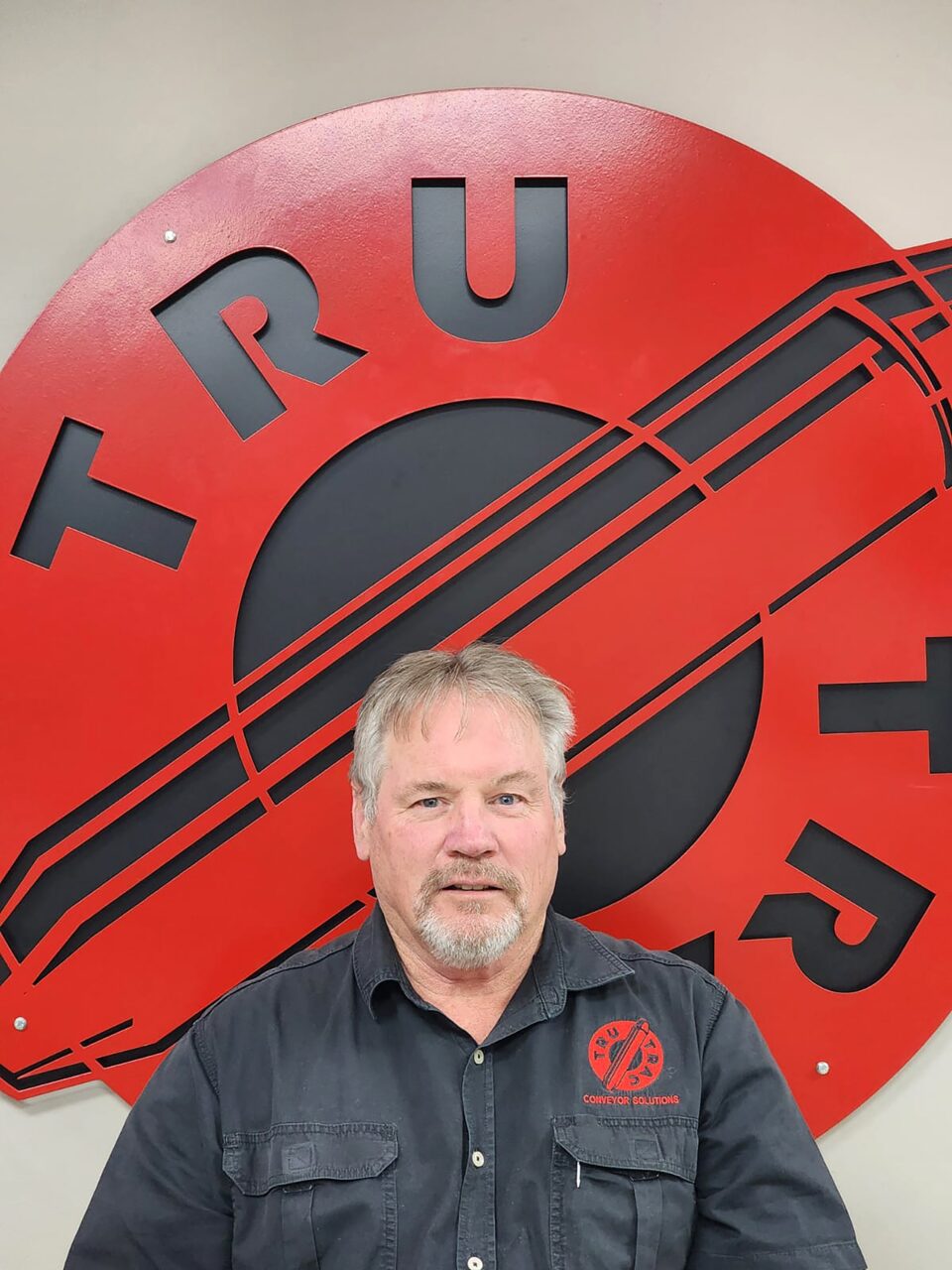
“Conveyors are the arteries of any mine and the costs of inefficiency add up quickly,” Guy Fitt, National Sales Manager at Tru-Trac, says. “When you calculate the production losses, unplanned maintenance and shortened belt life caused by misalignment the savings from properly aligned systems are substantial. Our Apex Series and Grip-Trac range are designed to pay for themselves many times over during the life of the conveyor.”
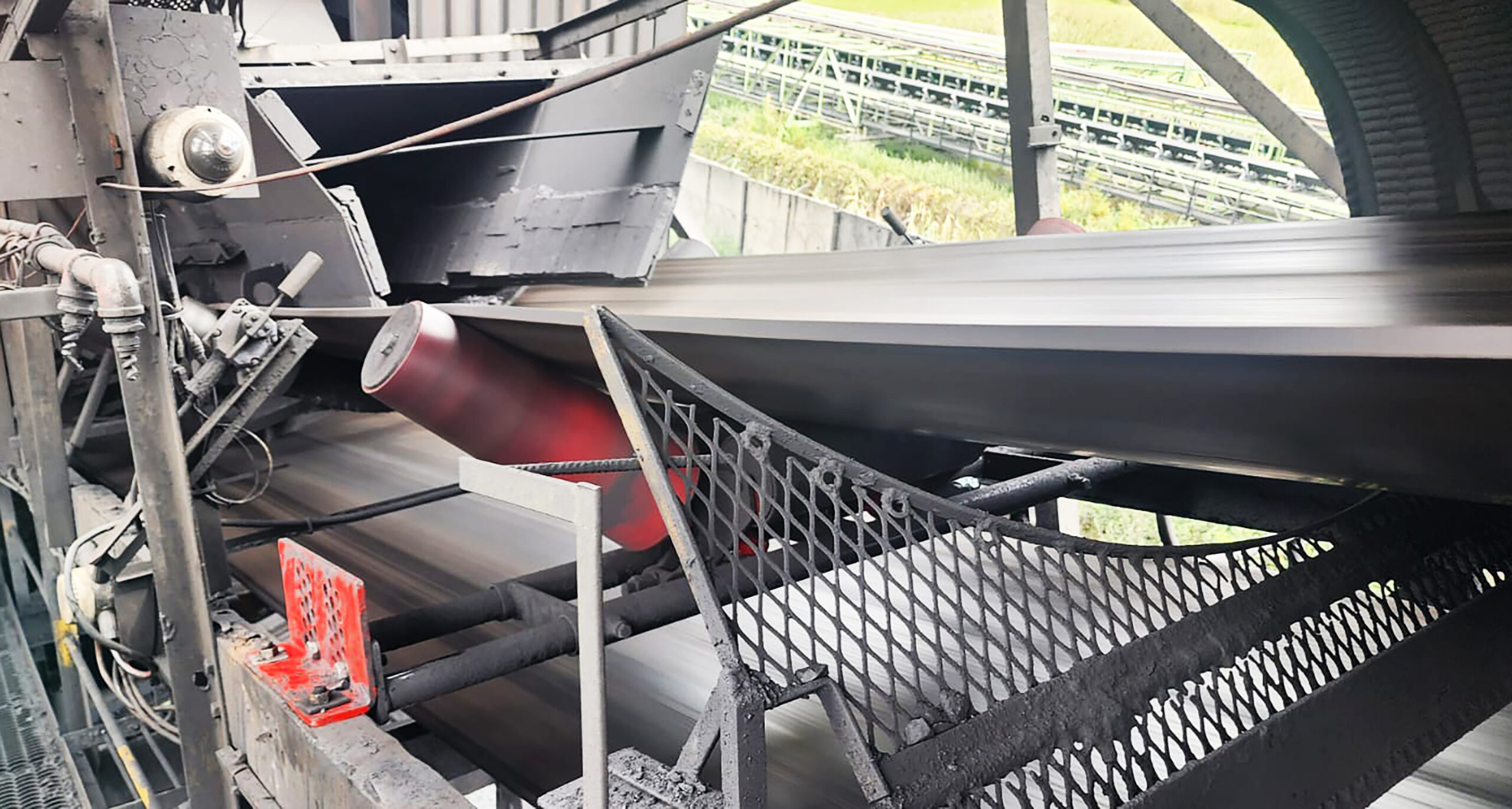
Belt mistracking is not just a maintenance issue. It can stop production, force emergency shutdowns and drive up operating costs through increased spillage, damage to structure and premature belt wear. The Apex Series trackers have been designed to minimise these risks by providing faster correction and more stable belt alignment, even under fluctuating loads and speeds.
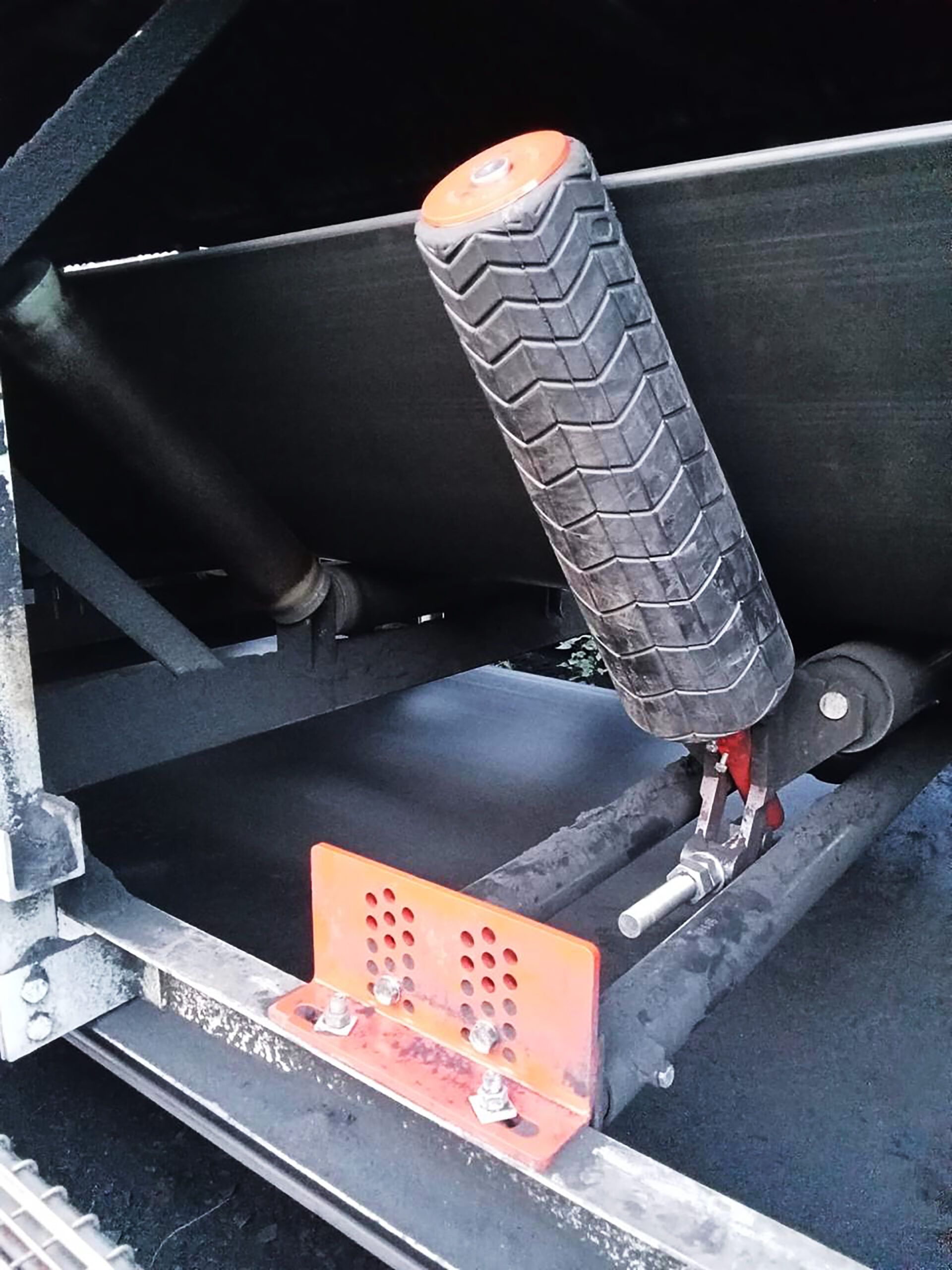
A key feature is the use of adjustable wing rolls on the trough units, giving operators greater control in stabilising the belt path. This innovation reduces the likelihood of spillage and uneven wear while extending the working life of the belt.
“The Apex design is a rethink of how trackers interact with the belt,” Gerhard Strydom, Technical Manager at Tru-Trac says. “It gives mines far more control in maintaining stability, which directly impacts uptime and cost reduction.”
Tackling slippage
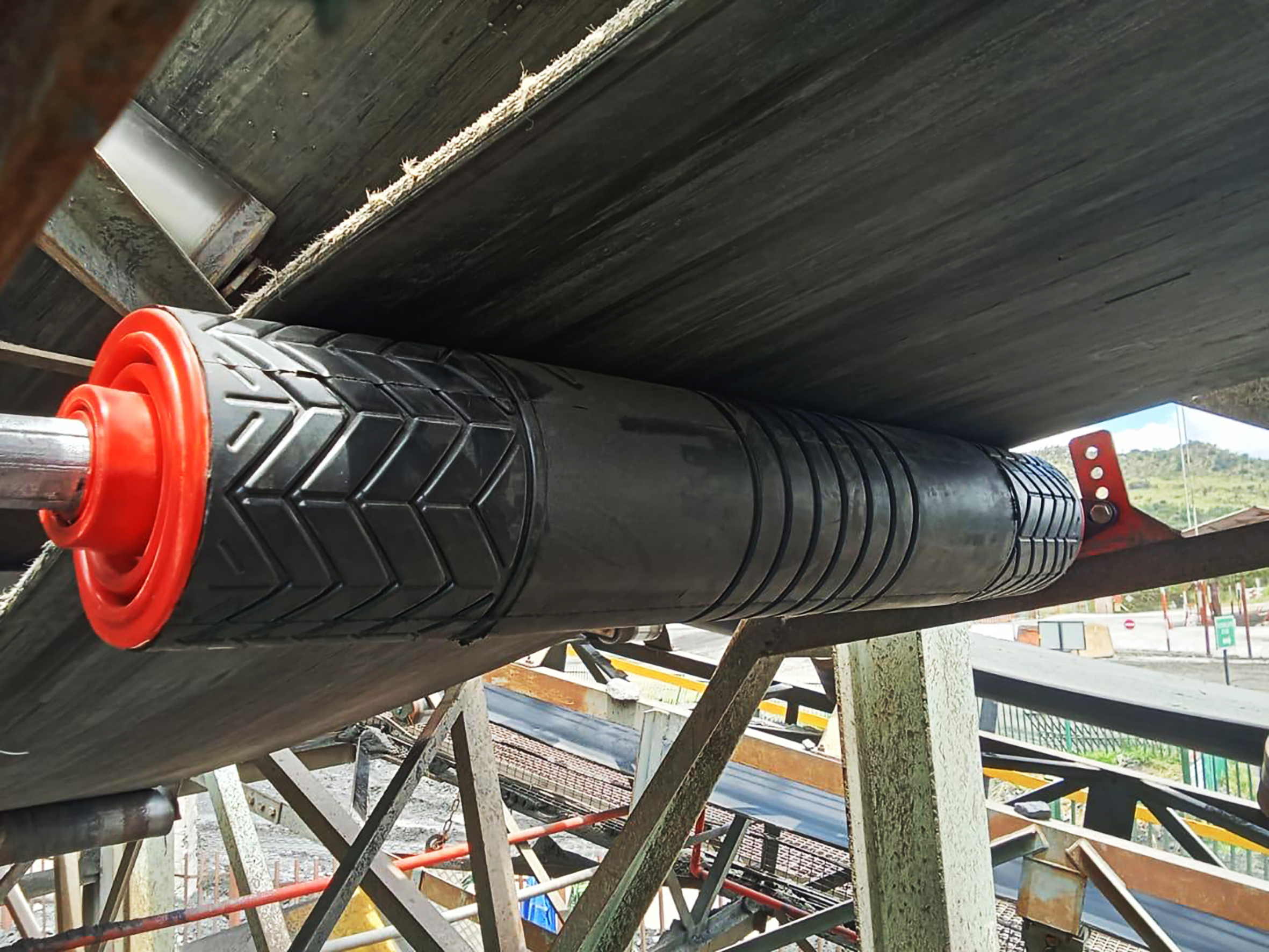
Slippage between belt and rollers is another major contributor to lost productivity and roller wear. Traditional lagging solutions, often relying on standard rubber or polyurethane compounds, tend to wear quickly in demanding mining conditions. Tru-Trac’s Grip-Trac lagging addresses this through a reinforced rubber compound with greater wear resistance, combined with a tread pattern specifically designed for mining applications.
The pattern improves traction, disperses water and fines and reduces heat build-up and uneven wear. It also acts as a built-in wear indicator, giving maintenance teams a clear signal for timely intervention. “This extends service life and reduces the risk of unexpected failures. It allows mines to plan maintenance, rather than react to breakdowns,” Strydom notes
Built to last
According to Franco Cloete, Manufacturing Manager at Tru-Trac, the commercial value of these products lies as much in the way they are built as in their design. “Every Apex Tracker and roller with Grip-Trac lagging is manufactured to exacting standards in our South African facility,” he says. “We focus heavily on material selection, machining tolerances and assembly processes to ensure consistent reliable performance. Our customers can trust that these are not short term fixes but rather long term solutions.”
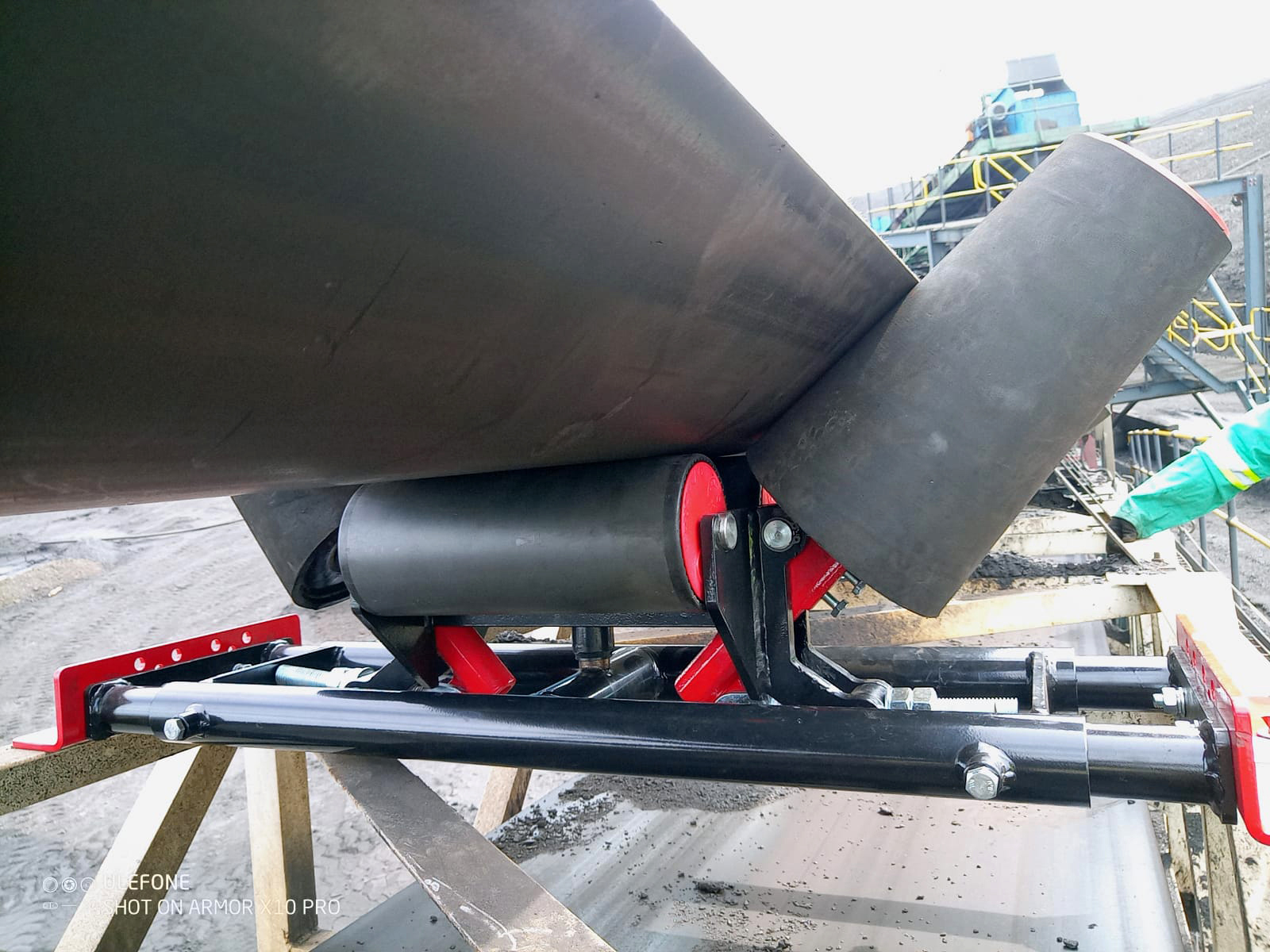
Tru-Trac’s belt tracking and lagging technologies have been proven across multiple continents from chrome operations in South Africa to coal mines in South America and iron ore operations in Australia. The company’s global footprint demonstrates that these solutions perform reliably in diverse and demanding environments.
Sidebar / Insert Box
The Hidden Costs of Mistracking and Slippage
Mistracking
- Lost production tonnes when conveyors are shut down for correction
- Belt edge damage leading to costly premature replacements
- Spillage clean-up including additional labour and equipment time
- Structural damage to idlers, frames and skirting systems
Slippage
- Reduced throughput from poor belt-to-roller traction
- Accelerated wear on rollers and lagging, increasing replacement costs
- Heat build-up that shortens belt and lagging life
- Unplanned downtime when rollers or belts fail unexpectedly
The Bottom Line
Even modest levels of mistracking or slippage can cost mines millions annually in direct and indirect losses. Investing in effective belt tracking and lagging solutions reduces these risks, extends equipment life and delivers measurable savings over the long term.
